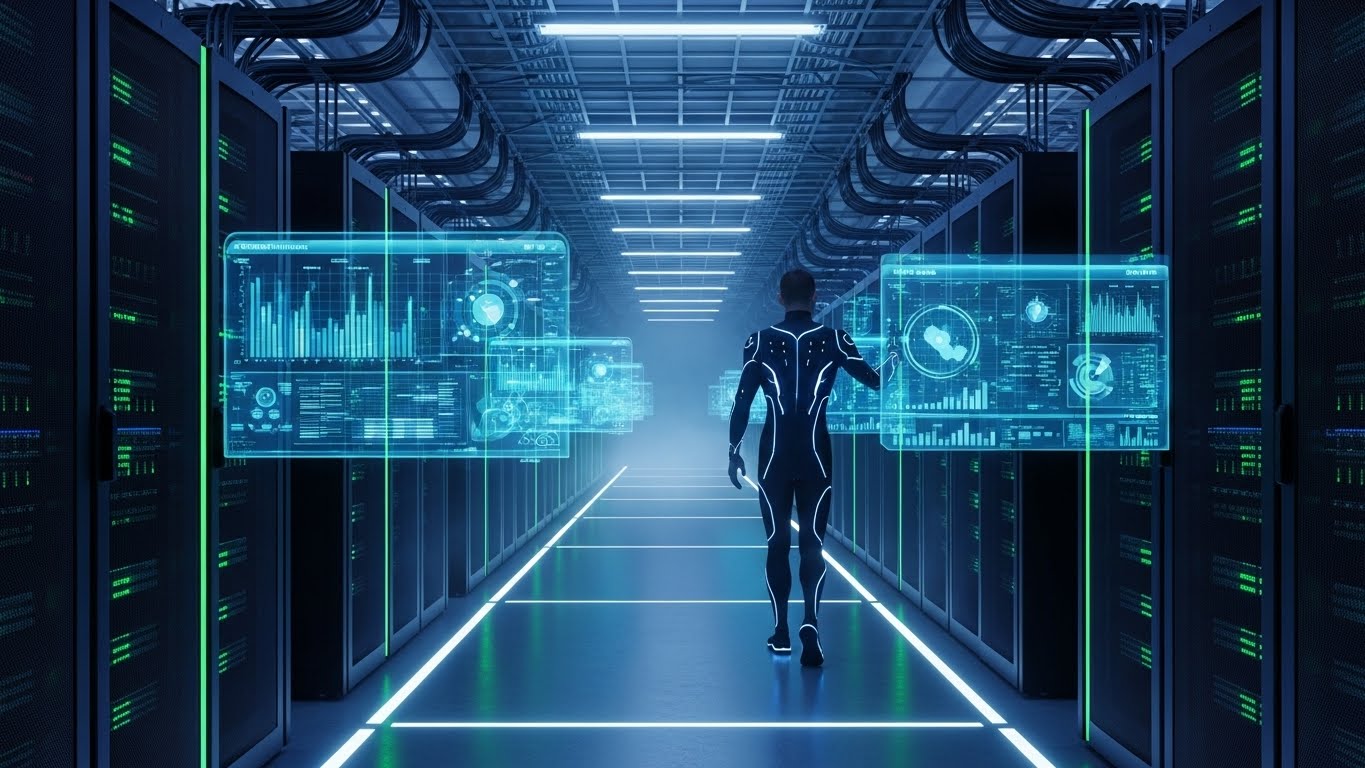

Technology has transformed every aspect of modern life. From communication and transportation to healthcare and entertainment, it is a driving force behind progress and innovation. The rapid advancement of technology has redefined how humans interact with the world and each other, creating both opportunities and challenges. This article explores the impact of technology across multiple dimensions, highlighting its influence on society, business, education, and the environment.
The Evolution of Technology
Human innovation has always shaped society, but the pace of technological advancement has accelerated dramatically in recent decades. Early inventions like the wheel, the printing press, and electricity laid the foundation for modern civilization. The digital revolution of the 20th century introduced computers, the internet, and mobile devices, transforming communication, commerce, and education.
In the 21st century, technology has entered an era of hyperconnectivity. Artificial intelligence, robotics, big data, and cloud computing are redefining industries and creating new possibilities. The continuous evolution of technology demonstrates humanity’s ability to solve complex problems and push the boundaries of what is possible.
Technology in Communication
One of the most profound impacts of technology is on communication. The internet, social media, and mobile devices have made it easier than ever to connect with people globally. Email, instant messaging, and video calls have replaced traditional forms of communication, enabling real-time collaboration and social interaction.
Social media platforms allow individuals to share ideas, build communities, and engage with information instantly. Businesses also leverage technology for marketing, customer service, and global outreach. While technology has made communication faster and more accessible, it also presents challenges such as information overload, privacy concerns, and the spread of misinformation.
Transforming Education Through Technology
Technology has revolutionized education, providing access to knowledge and learning tools on an unprecedented scale. Online learning platforms, educational apps, and virtual classrooms enable students to study from anywhere, breaking geographic and socioeconomic barriers.
Interactive learning tools, simulations, and virtual labs enhance understanding and engagement. Artificial intelligence-powered systems can personalize learning experiences, adapting to individual strengths and weaknesses. Technology also facilitates collaboration among students and educators worldwide, creating a global classroom environment. The integration of technology in education is fostering innovation, critical thinking, and lifelong learning skills.
Technology in Healthcare
Healthcare has been dramatically improved through technological advancements. Medical imaging, robotic surgery, telemedicine, and wearable health devices have transformed patient care, diagnosis, and treatment. Electronic health records streamline information management, enabling doctors to provide more accurate and timely care.
Telemedicine allows patients to consult healthcare providers remotely, increasing accessibility and reducing the strain on medical facilities. Artificial intelligence helps detect diseases, predict outbreaks, and develop personalized treatment plans. Technology has also accelerated medical research, leading to faster drug discovery and innovative therapies. The intersection of technology and healthcare is improving both quality and longevity of life.
Technology and Business Innovation
Businesses are leveraging technology to optimize operations, enhance customer experiences, and drive innovation. Automation, artificial intelligence, and data analytics improve efficiency and decision-making. E-commerce platforms, digital marketing, and online payment systems have reshaped consumer behavior, creating new business models.
Remote work technology, such as video conferencing and cloud collaboration tools, has redefined workplace dynamics. Companies can now operate globally with distributed teams, expanding opportunities and access to talent. Technology not only enables growth and competitiveness but also promotes innovation and entrepreneurship across industries.
Artificial Intelligence and Machine Learning
Artificial intelligence (AI) and machine learning are at the forefront of technological innovation. AI systems can analyze vast amounts of data, recognize patterns, and make predictions with high accuracy. Applications range from virtual assistants and autonomous vehicles to healthcare diagnostics and financial forecasting.
Machine learning enables systems to improve over time, enhancing efficiency and accuracy in various fields. AI-powered technologies are transforming industries, making processes faster, safer, and more cost-effective. However, the rise of AI also raises ethical considerations, including data privacy, bias, and job displacement, which require careful regulation and oversight.
Technology in Transportation
Transportation has been revolutionized by technological advancements. Electric vehicles, autonomous cars, and high-speed trains are transforming how people and goods move. GPS navigation, ride-sharing apps, and smart traffic management systems improve efficiency and reduce congestion.
Aviation and space exploration have also benefited from technology. Advanced aircraft design, satellite communication, and navigation systems have made travel faster, safer, and more accessible. Emerging technologies like hyperloop systems and drone delivery promise to further reshape transportation and logistics in the coming decades.
Technology and Entertainment
The entertainment industry has been dramatically reshaped by technology. Streaming services, virtual reality, and gaming have created immersive experiences for audiences worldwide. Digital platforms allow creators to reach global audiences instantly, democratizing content creation.
Video games, in particular, have become a major cultural and economic force. E-sports, interactive storytelling, and augmented reality experiences are redefining entertainment. Technology also enables advanced special effects, sound design, and animation, enhancing the quality and creativity of movies, music, and live performances.
Technology and the Environment
Technology has both positive and negative impacts on the environment. Renewable energy sources, smart grids, and energy-efficient systems help reduce carbon emissions and promote sustainability. Environmental monitoring tools, satellite imaging, and data analytics enable better management of natural resources and conservation efforts.
However, the production and disposal of electronic devices contribute to pollution and resource depletion. The growing energy demands of data centers and digital infrastructure also pose challenges. Balancing technological advancement with environmental responsibility is critical for ensuring a sustainable future.
Cybersecurity and Data Privacy
As technology becomes increasingly integrated into daily life, cybersecurity and data privacy are paramount concerns. Cyberattacks, data breaches, and identity theft threaten individuals, businesses, and governments. Advanced encryption, secure networks, and ethical hacking practices are essential for protecting sensitive information.
Users must also practice responsible digital behavior, including strong passwords, software updates, and awareness of phishing or malware threats. Ensuring cybersecurity and privacy requires collaboration between technology developers, policymakers, and users to create a secure digital ecosystem.
The Future of Technology
The future of technology is full of possibilities. Emerging fields like quantum computing, biotechnology, augmented reality, and artificial intelligence will further transform industries and daily life. Smart cities, autonomous systems, and personalized healthcare solutions will redefine convenience, efficiency, and accessibility.
Ethical and responsible innovation will be critical to address the social, economic, and environmental implications of technological advancement. As technology continues to evolve, education, policy, and global collaboration will play a crucial role in harnessing its potential for the benefit of society.
Conclusion: Embracing a Technological World
Technology has become an inseparable part of human existence, influencing every aspect of life. It enhances communication, education, healthcare, business, transportation, and entertainment while creating new opportunities for innovation and growth. At the same time, technology presents challenges, including privacy concerns, cybersecurity risks, and environmental impact.
Embracing technology responsibly requires awareness, education, and ethical considerations. When harnessed effectively, technology has the power to improve lives, connect communities, and create a sustainable, innovative, and prosperous future. As society moves forward, understanding and leveraging technological advancements will remain essential to shaping a better world for generations to come.