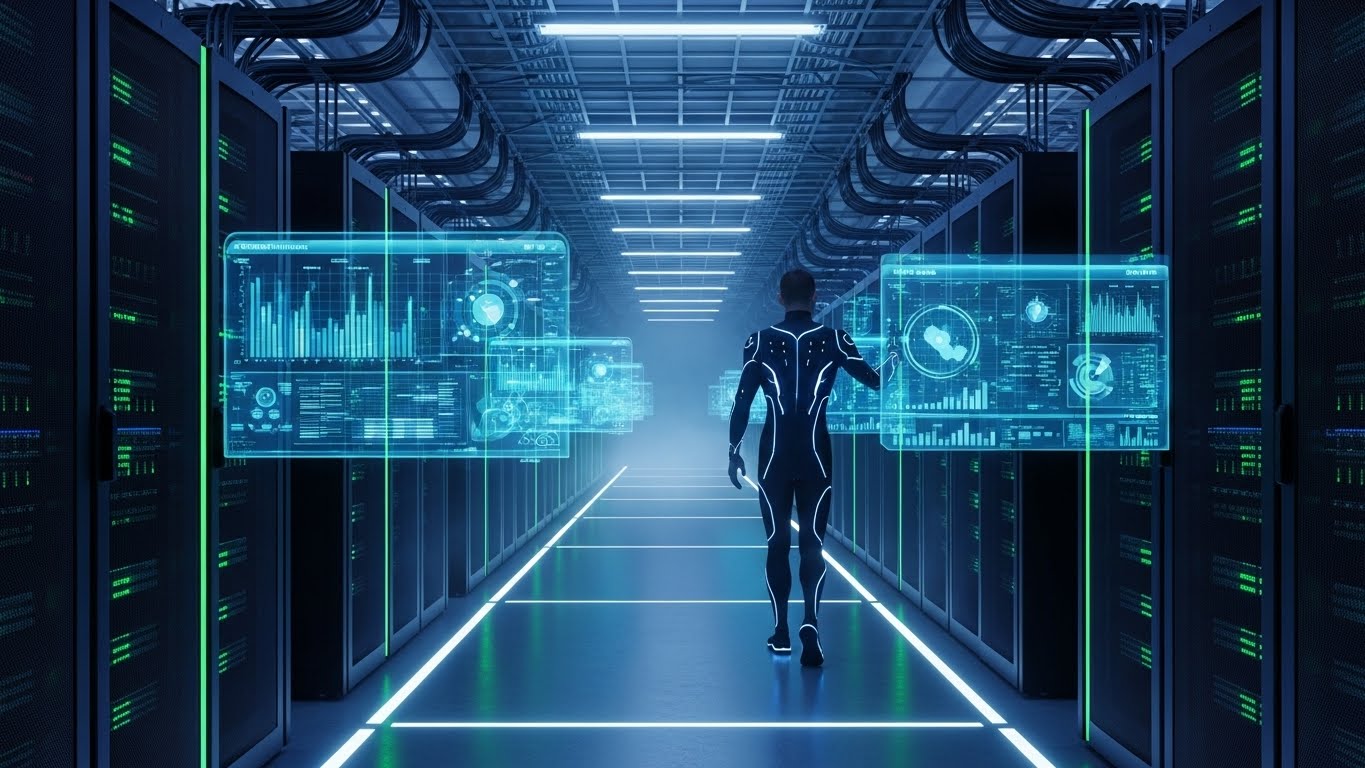

The Age of Innovation: How Technology is Redefining the Future
Introduction: Technology’s Transformative Power
In the 21st century, technology has become the heartbeat of society, driving change and revolutionizing every aspect of our lives. From how we communicate to how we work, learn, and entertain ourselves, technology has reshaped the world at an unprecedented pace. What once seemed like distant dreams—like flying cars, artificial intelligence, and virtual reality—have slowly but surely become part of our daily existence. As we stand on the threshold of even more transformative breakthroughs, it’s clear that we are entering an era where the possibilities of technology are virtually limitless.
In this blog, we will explore the various ways technology is reshaping the world and how these innovations are influencing our future. From artificial intelligence and automation to the Internet of Things and 5G, the technological landscape is evolving rapidly, offering new opportunities and challenges. While the potential for progress is immense, we must also consider the ethical implications, the role of technology in social structures, and the responsibility we have to ensure that these advancements benefit everyone.
The Rise of Artificial Intelligence: Shaping Tomorrow’s World
Artificial Intelligence (AI) is arguably one of the most significant technological developments of the modern age. While the concept of AI has been around for decades, recent advancements have propelled it from a theoretical concept to a practical tool that influences almost every industry. AI systems can now process vast amounts of data, learn from experience, and perform tasks that once required human intelligence. From virtual assistants like Siri and Alexa to advanced machine learning models used in finance and healthcare, AI is becoming a powerful force in our daily lives.
In healthcare, AI is already transforming the way doctors diagnose and treat diseases. AI-driven diagnostic tools are helping to identify conditions like cancer and heart disease at an earlier stage, improving the chances of successful treatment. In finance, AI algorithms are used for predictive analytics, fraud detection, and market forecasting, making financial operations faster and more accurate. AI is also making its mark in industries like transportation, where self-driving cars promise to revolutionize how we travel, and in retail, where chatbots and recommendation algorithms personalize customer experiences.
However, with these advancements come concerns about AI’s impact on jobs and society. While AI has the potential to improve efficiency and reduce human error, it also threatens to replace jobs, particularly in industries like manufacturing, customer service, and logistics. The challenge, then, is to ensure that AI is implemented in a way that enhances human capabilities rather than replacing them.
The Internet of Things: Creating a Smarter World
The Internet of Things (IoT) is another technological revolution that is transforming the way we live and work. IoT refers to the network of physical devices—ranging from household items like refrigerators and thermostats to industrial equipment—embedded with sensors and connected to the internet. These devices collect and share data, enabling them to operate more efficiently and interact with other devices in real-time.
In smart homes, IoT technology has brought about a new level of convenience and efficiency. Smart thermostats learn your preferences and adjust the temperature of your home automatically. Smart lights turn on and off when you enter or leave a room, and smart refrigerators can track inventory and notify you when you’re running low on essential items. The data collected from IoT devices can be used to optimize everything from energy consumption to security, making everyday tasks more efficient and user-friendly.
The potential of IoT extends far beyond the home. In agriculture, IoT devices can monitor soil moisture, temperature, and crop health, helping farmers optimize irrigation and improve crop yields. In manufacturing, IoT sensors can track equipment performance, predict maintenance needs, and prevent costly downtime. IoT technology is also being used in healthcare, where wearable devices monitor vital signs in real-time, allowing doctors to provide better care to patients.
However, the widespread adoption of IoT comes with concerns about privacy and security. As more devices become interconnected, the potential for cyberattacks and data breaches increases. Ensuring that IoT devices are secure and that personal data is protected will be crucial as the technology becomes more widespread.
The 5G Revolution: The Next Frontier of Connectivity
The rollout of 5G networks promises to be one of the most transformative technological advancements of the coming years. 5G is the fifth generation of wireless technology, offering faster speeds, lower latency, and greater capacity than previous generations. While 4G brought about the mobile internet era, 5G will lay the foundation for the next generation of connected devices, smart cities, and immersive experiences.
One of the key benefits of 5G is its speed. 5G networks are expected to provide download speeds up to 100 times faster than 4G, allowing for near-instantaneous data transfer. This speed will enable everything from seamless video streaming to faster cloud computing, enhancing everything from online gaming to video conferencing.
In addition to speed, 5G offers lower latency, which is essential for applications like augmented reality (AR) and virtual reality (VR). These technologies require real-time communication between devices to create immersive experiences. With 5G, the delay between actions and responses will be virtually nonexistent, opening up new possibilities for gaming, entertainment, and even remote surgeries.
However, the rollout of 5G is not without challenges. One of the biggest hurdles is infrastructure. The installation of 5G networks requires the deployment of thousands of small cell towers to ensure broad coverage, which can be costly and time-consuming. Additionally, there are concerns about the potential health effects of 5G radiation, though studies have shown that the technology is safe.
Blockchain Technology: The Future of Secure Transactions
Blockchain is a technology that has gained significant attention in recent years, largely due to its association with cryptocurrencies like Bitcoin. However, blockchain’s potential extends far beyond digital currencies. At its core, blockchain is a decentralized, distributed ledger that records transactions across many computers in a secure and transparent manner. Each block in the chain contains a record of transactions, and once a block is added, it cannot be altered or deleted, making the system tamper-proof.
One of the key benefits of blockchain is its ability to provide secure and transparent transactions without the need for intermediaries like banks or payment processors. This has the potential to revolutionize industries like finance, healthcare, and supply chain management. For example, in the financial sector, blockchain could streamline payments, reduce fraud, and improve transparency in transactions.
In supply chain management, blockchain could be used to track goods as they move through the supply chain, ensuring that products are ethically sourced and reducing the risk of fraud. In healthcare, blockchain could provide a secure way to store and share patient data, giving patients more control over their health information while ensuring privacy and security.
Despite its potential, blockchain is still a relatively new technology, and there are challenges to overcome. One of the biggest obstacles is scalability. While blockchain offers secure and transparent transactions, it can be slow and resource-intensive, particularly when dealing with large volumes of data. Additionally, regulatory concerns surrounding cryptocurrencies and blockchain-based applications remain a barrier to widespread adoption.
The Future of Work: Remote Collaboration and Automation
As technology continues to advance, the nature of work is evolving. Remote work, which was once a niche option, has become mainstream, especially following the COVID-19 pandemic. Cloud computing and collaboration tools like Zoom, Microsoft Teams, and Slack have made it easier for teams to collaborate from anywhere in the world. This shift to remote work has opened up new opportunities for businesses and workers alike, allowing companies to tap into a global talent pool and providing employees with greater flexibility.
Automation is another trend that is transforming the workforce. Advances in AI, robotics, and automation are already changing industries like manufacturing, logistics, and customer service. While automation promises to increase efficiency and reduce costs, it also raises concerns about job displacement. Many low-skilled jobs are at risk of being replaced by machines, and workers will need to adapt by developing new skills in areas like data analysis, AI programming, and cybersecurity.
The future of work will likely involve a combination of remote collaboration and automation. As companies embrace digital transformation, they will need to invest in the right technologies to support a hybrid workforce. This will require not only the adoption of new tools but also a shift in organizational culture to accommodate the changing nature of work.
Conclusion: Embracing the Technological Future
The technological advancements of today are laying the foundation for the world of tomorrow. From AI and blockchain to 5G and automation, we are witnessing innovations that are fundamentally changing the way we live and work. While these technologies offer immense potential, they also come with challenges that must be addressed responsibly.
As we move forward into an increasingly digital future, it will be crucial to balance innovation with ethical considerations. We must ensure that these technologies are used to improve lives, enhance productivity, and solve global challenges. By embracing the possibilities of technology and working together to address its challenges, we can build a future that is not only smarter but also more equitable, secure, and sustainable. The age of innovation is here, and it is up to us to shape it for the better.