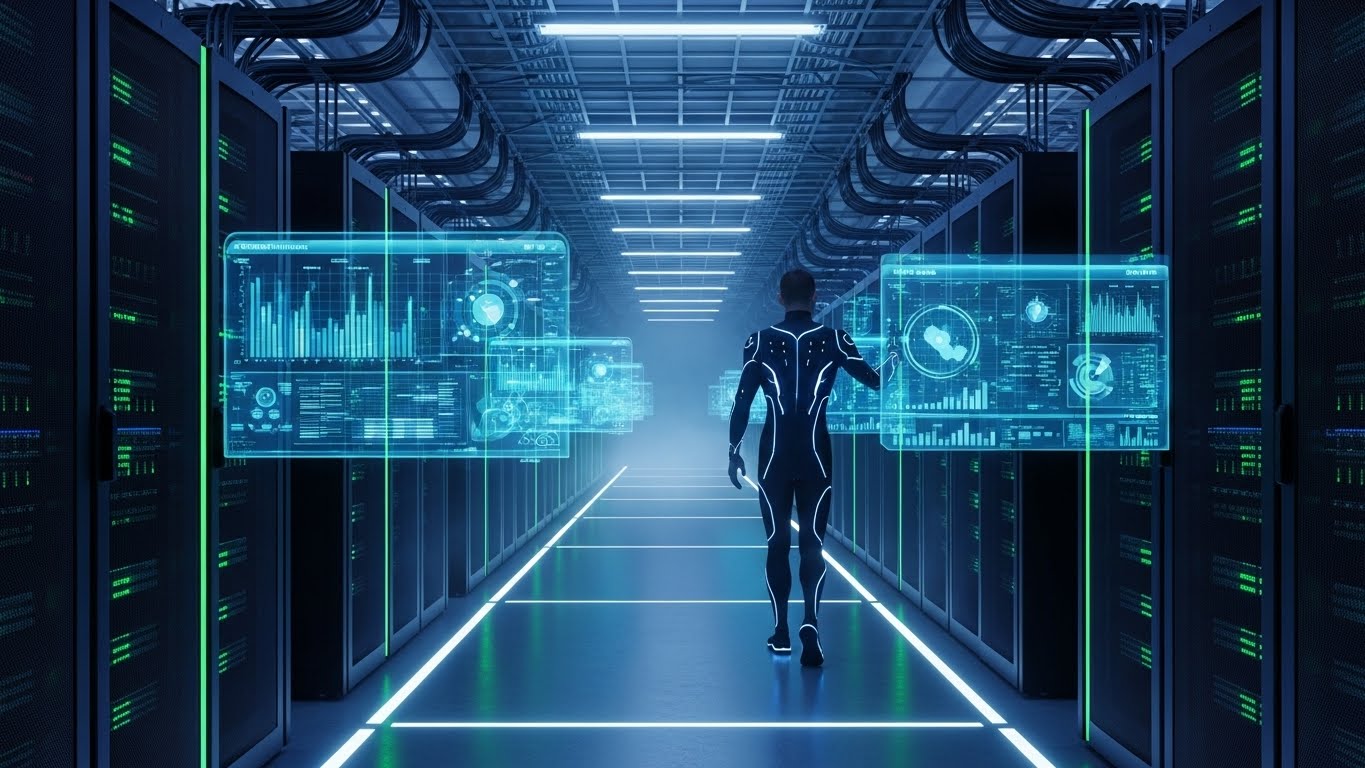

The Tech Revolution: Transforming the World One Innovation at a Time
Introduction
Technology has become the defining feature of the modern era. Every aspect of human life, from communication and education to healthcare and entertainment, is driven by technological progress. What once seemed like science fiction is now part of daily reality. We live in a world powered by artificial intelligence, cloud computing, automation, and smart devices that connect us more than ever before. Technology has not only made life easier but has also redefined how societies function and evolve. This blog explores how technology continues to shape the world, the opportunities it brings, the challenges it creates, and what the future might hold in this ever-changing digital landscape.
The Evolution of Technology: From Simple Tools to Smart Machines
The story of technology began thousands of years ago when early humans invented basic tools to survive. Over time, human creativity led to the invention of the wheel, printing press, electricity, and machines that transformed how people lived and worked. The Industrial Revolution was a turning point, introducing mechanization and mass production. Later, the 20th century brought computers, the internet, and mobile phones, marking the beginning of the digital era. Today, technology has evolved to include artificial intelligence, robotics, and virtual reality—systems capable of learning, adapting, and making decisions. Each stage of technological evolution has pushed humanity forward, shaping civilizations and economies in extraordinary ways.
Artificial Intelligence: The Brain Behind Modern Technology
Artificial intelligence, often called AI, is one of the most influential technologies of the 21st century. It enables machines to think, learn, and perform tasks that once required human intelligence. AI is used in voice assistants, facial recognition, online recommendations, and even self-driving cars. In business, AI helps analyze data, predict trends, and automate repetitive work, saving both time and resources. In healthcare, AI assists doctors in detecting diseases early and developing personalized treatments. While AI promises incredible benefits, it also raises concerns about privacy, job automation, and ethical use. The challenge is to ensure that AI serves humanity responsibly and remains a tool for progress rather than domination.
The Internet: The Backbone of the Digital World
The internet has revolutionized the way people connect and communicate. It has turned the world into a global village where information travels instantly across continents. The rise of social media, email, and video conferencing has made communication seamless and accessible. Beyond communication, the internet supports education, business, entertainment, and governance. Online learning has opened doors for students around the world, while businesses use digital platforms to reach customers globally. However, the internet also faces challenges such as misinformation, data breaches, and online addiction. Despite these issues, it remains the backbone of modern society, connecting billions of people and enabling endless possibilities.
Cloud Computing: The Power of Remote Access
Cloud computing has changed how data is stored, shared, and processed. It allows individuals and organizations to store files and run software on remote servers instead of local computers. This technology enables easy access to data from anywhere in the world, promoting flexibility and collaboration. Businesses use cloud computing to manage large-scale operations efficiently, while individuals rely on it for personal storage and entertainment. The scalability and cost-effectiveness of the cloud make it one of the most valuable technologies today. However, as data moves online, ensuring security and privacy remains a top concern for users and developers alike.
The Internet of Things: Building a Smart World
The Internet of Things, or IoT, connects everyday objects to the internet, allowing them to collect and exchange data. Smart devices such as thermostats, watches, refrigerators, and even cars can now communicate and operate intelligently. This technology enhances convenience, efficiency, and sustainability. For example, smart homes can adjust lighting and temperature automatically, while smart cities use IoT to monitor traffic and conserve energy. In industries, IoT improves production and logistics through automation and real-time tracking. Despite its advantages, IoT requires strong cybersecurity to prevent hacking and protect personal data. As the world becomes more connected, IoT will continue to redefine how people interact with technology.
Automation and Robotics: Redefining Work and Industry
Automation and robotics are reshaping the modern workforce. Machines and algorithms now perform tasks faster and more accurately than humans. In factories, robots handle manufacturing, packaging, and quality control. In agriculture, drones and sensors monitor crops and improve yields. In healthcare, robotic systems assist surgeons with precision procedures. Automation not only boosts efficiency but also reduces human error and operational costs. However, it also raises concerns about unemployment and the need for new skill sets. The future of work will depend on how humans adapt, focusing on creativity, critical thinking, and technological literacy to complement machines rather than compete with them.
Mobile Technology: The World in Your Pocket
Mobile technology has become an essential part of daily life. Smartphones combine the power of communication, computing, and entertainment in a single device. With mobile apps, people can shop, study, bank, and work from anywhere. The development of high-speed networks such as 4G and 5G has made connectivity faster and more reliable. Mobile technology has also empowered businesses, enabling them to reach wider audiences through digital marketing and e-commerce. Beyond convenience, mobile innovation has transformed social interaction, making information and services more accessible than ever before. However, excessive dependence on mobile devices has also led to issues like screen addiction and reduced face-to-face communication.
Blockchain Technology: Securing the Digital Future
Blockchain is a revolutionary technology that ensures transparency, security, and trust in digital transactions. It works as a decentralized digital ledger that records data across multiple systems, making it nearly impossible to alter or hack. While blockchain gained fame through cryptocurrencies, its potential goes far beyond that. It is now used in finance, healthcare, supply chain management, and even voting systems. The transparency of blockchain prevents fraud and builds trust between parties. Its ability to store records securely makes it a foundation for future digital systems. As industries continue to explore blockchain applications, it is expected to redefine how data and assets are managed.
Technology and Education: Learning Without Limits
Technology has transformed education from a traditional classroom setting to a global digital experience. Online learning platforms, digital libraries, and virtual classrooms allow students to learn at their own pace from any location. Teachers can use interactive tools to make lessons more engaging and effective. Artificial intelligence and data analytics help personalize education by identifying students’ strengths and weaknesses. Virtual reality brings history, science, and art to life, making learning more immersive. However, the digital divide—unequal access to technology—remains a significant issue. To ensure inclusive education, it is essential to provide equal opportunities and resources to learners everywhere.
Technology in Healthcare: Saving Lives with Innovation
Healthcare has seen remarkable improvements thanks to technological innovation. From advanced diagnostic machines to telemedicine, technology has made medical services faster, safer, and more efficient. Patients can consult doctors remotely, while wearable devices track health metrics like heart rate and blood pressure in real time. Artificial intelligence assists in detecting diseases such as cancer and diabetes at early stages. Robotic surgery improves precision and reduces recovery times. Moreover, data analytics helps researchers develop better treatments and vaccines. The fusion of technology and medicine is paving the way for a healthier and more connected world.
Technology and the Environment: Innovation for Sustainability
Technology plays a crucial role in addressing environmental challenges. Renewable energy sources such as solar, wind, and hydroelectric power are becoming more efficient through innovation. Electric vehicles are reducing pollution and dependence on fossil fuels. Smart grids optimize energy use, while AI systems monitor climate changes and predict natural disasters. Waste management technologies are improving recycling processes, reducing pollution, and promoting sustainability. However, technology can also contribute to environmental problems if not used responsibly. The goal should be to use innovation as a tool for conservation and to ensure a greener, cleaner future for generations to come.
Cybersecurity: Protecting the Digital World
As our world becomes increasingly digital, cybersecurity has become a global priority. Cyberattacks, identity theft, and data breaches are serious threats to individuals and organizations alike. Hackers target sensitive information, including financial records and personal data. Protecting digital systems requires strong encryption, secure passwords, and continuous monitoring. Governments and businesses invest heavily in cybersecurity to protect their infrastructure. Individuals also need to stay informed and cautious while using the internet. In a world where information is power, safeguarding data is essential for maintaining trust and stability in the digital age.
The Social Impact of Technology
Technology has transformed the way people interact socially and culturally. Social media platforms connect people across the world, allowing them to share experiences and ideas instantly. However, the digital age has also brought challenges like misinformation, online bullying, and social isolation. Technology influences lifestyles, opinions, and even emotions. While it connects us virtually, it sometimes distances us from real-world relationships. Finding balance is essential to ensure that technology enhances human connection instead of diminishing it. Using digital platforms responsibly can turn technology into a powerful tool for education, creativity, and positive change.
The Future of Technology: Endless Possibilities Ahead
The future of technology promises even greater transformation. Artificial intelligence will become smarter, quantum computing will revolutionize problem-solving, and biotechnology will improve human health in ways never imagined. Space technology will enable exploration beyond Earth, while automation will make industries more efficient. The line between humans and machines will continue to blur as innovation advances. However, with great power comes great responsibility. Society must ensure that technology serves humanity ethically, promoting equality, sustainability, and peace. The next era of technology will be defined not only by innovation but by how wisely it is used.
Conclusion
Technology has become the foundation of modern civilization. It has revolutionized how we live, work, and connect. From artificial intelligence to renewable energy, every innovation pushes humanity closer to a more advanced and interconnected future. Yet, the true power of technology lies not in machines but in human creativity and vision. Used wisely, it can solve the world’s greatest challenges and improve life for everyone. The journey of technology is far from over—it continues to evolve, shaping the destiny of humankind one innovation at a time.