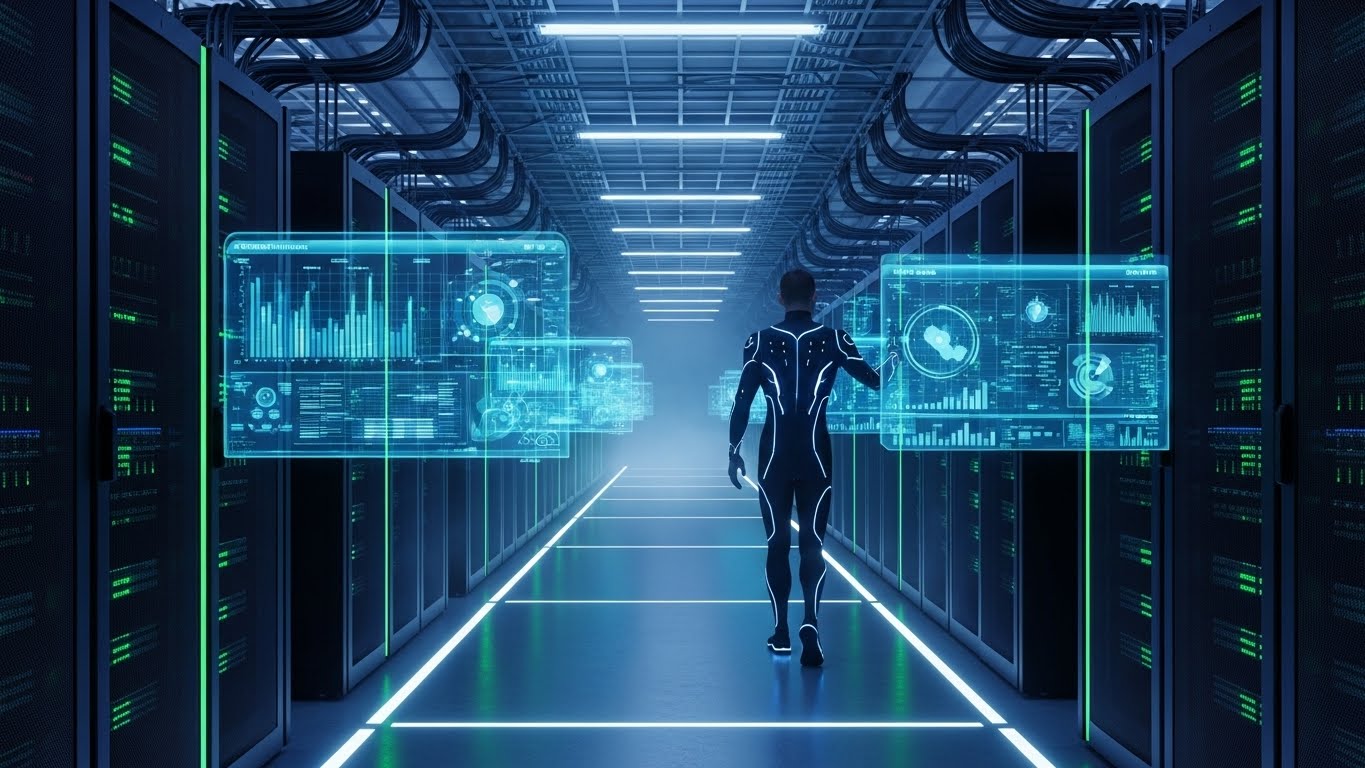
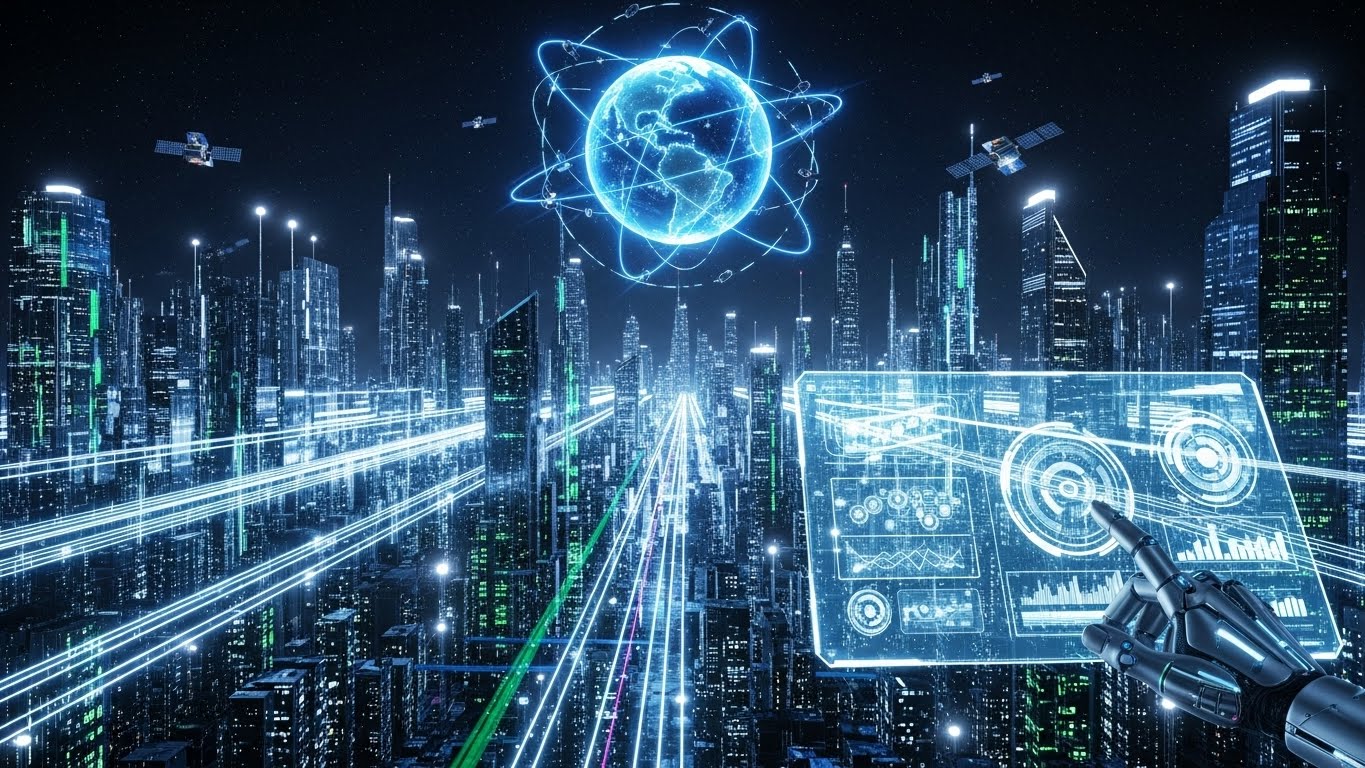
The tech industry is one of the most dynamic and rapidly evolving sectors in the world. Every year, new innovations emerge, from cutting-edge gadgets to revolutionary software and systems. These advancements not only change the way we work and communicate, but they also reshape entire industries and societies. In the past few decades, we’ve seen technology break boundaries in areas like healthcare, education, entertainment, and business. As we look ahead, it’s clear that we’re just scratching the surface of what technology can accomplish. In this blog post, we’ll explore the transformative power of technology, its current impact, and the future possibilities it holds.
The Changing Landscape of Technology
Technology is no longer a luxury or a niche interest; it is an integral part of our daily lives. From smartphones to artificial intelligence (AI), from cloud computing to the Internet of Things (IoT), technology is deeply embedded in everything we do. Every aspect of modern life is interconnected with digital systems, making the world more efficient and convenient. It’s hard to imagine a world where these innovations didn’t exist, given how much they’ve become entrenched in both personal and professional spheres.
One of the most significant shifts in the tech landscape is the rise of mobile technology. Smartphones, tablets, and wearable devices have revolutionized how we communicate, consume media, and manage our daily activities. We now have access to vast amounts of information at our fingertips and can connect with people all over the world instantly. Social media platforms and instant messaging services have transformed how we interact with one another, making the world feel smaller and more connected.
Cloud computing is another game-changer that has transformed industries worldwide. The ability to store, access, and manage data from virtually anywhere, without the need for physical hardware, has drastically reduced costs for businesses and made data more accessible. Services like Google Drive, Amazon Web Services (AWS), and Microsoft Azure are now commonplace, allowing companies to scale their operations more efficiently.
Artificial Intelligence: The Brain Behind Modern Tech
At the forefront of the tech revolution is artificial intelligence. AI refers to the development of machines and systems that can perform tasks typically requiring human intelligence. From speech recognition to autonomous vehicles, AI is rapidly evolving, and its applications are vast and varied. Machine learning, a subset of AI, allows computers to learn from data and improve their performance over time without explicit programming.
In recent years, AI has made remarkable strides, particularly in areas such as natural language processing, image recognition, and predictive analytics. Virtual assistants like Siri, Alexa, and Google Assistant have become household names, helping users perform tasks like setting reminders, playing music, and answering questions. More complex AI systems, such as chatbots and recommendation algorithms, are transforming industries like customer service, entertainment, and retail.
Perhaps the most exciting potential for AI lies in healthcare. Machine learning algorithms can analyze vast amounts of medical data, identifying patterns that may not be apparent to human doctors. AI-powered diagnostic tools can help detect diseases such as cancer at an earlier stage, significantly improving patient outcomes. In drug development, AI is being used to accelerate the discovery of new treatments, potentially revolutionizing the way we approach medicine.
The Rise of the Internet of Things (IoT)
Another key technology shaping the future is the Internet of Things (IoT). IoT refers to the network of physical devices embedded with sensors, software, and other technologies to connect and exchange data over the internet. From smart homes to industrial automation, IoT is changing how we interact with the world around us.
In the consumer space, IoT has made our homes smarter. Devices like smart thermostats, lights, and security cameras can be controlled remotely via smartphones, creating a more convenient and energy-efficient living environment. Wearable health devices like fitness trackers and smartwatches can monitor our daily activity, heart rate, and even sleep patterns, giving us valuable insights into our health.
On a larger scale, IoT is transforming industries like agriculture, manufacturing, and logistics. In agriculture, IoT-enabled sensors can monitor soil conditions, weather patterns, and crop health, helping farmers make data-driven decisions and improve yields. In manufacturing, IoT devices can track the performance of machinery in real-time, allowing companies to optimize production processes and reduce downtime. In logistics, IoT helps track shipments and inventory, improving supply chain efficiency and reducing costs.
As the IoT ecosystem continues to grow, it is expected that billions of devices will be connected in the coming years, creating vast networks of data and opening up new possibilities for innovation and automation.
Virtual and Augmented Reality: Blurring the Line Between the Real and the Virtual
Virtual Reality (VR) and Augmented Reality (AR) are two technologies that have captured the imagination of many, and they’re steadily making their way into mainstream use. While both technologies create immersive digital experiences, they do so in different ways.
Virtual Reality involves creating a completely simulated environment that users can interact with through VR headsets. This technology has been widely adopted in gaming, where players can experience fully immersive virtual worlds. However, VR’s applications extend far beyond gaming. In education, VR allows students to explore historical events, distant planets, or human anatomy in a highly interactive way. In healthcare, VR is used in therapy for PTSD, phobias, and pain management, providing patients with controlled and safe environments to face their fears or relax.
Augmented Reality, on the other hand, overlays digital content on top of the real world. AR is most commonly seen in smartphone apps like Pokémon Go, which superimposes virtual creatures onto the real world through your phone’s camera. But AR is also finding applications in industries like retail and real estate. For example, furniture companies are using AR to allow customers to visualize how a piece of furniture will look in their home before making a purchase. In real estate, AR can give prospective buyers a virtual tour of properties, even before construction begins.
As both VR and AR technologies improve, they are poised to revolutionize industries like entertainment, education, healthcare, and retail, making experiences more interactive, immersive, and engaging.
Blockchain Technology: The Future of Secure Transactions
Blockchain, the technology behind cryptocurrencies like Bitcoin, is another transformative innovation that is gaining traction across multiple industries. At its core, blockchain is a decentralized, distributed ledger that allows for secure, transparent, and tamper-proof transactions. Unlike traditional systems that rely on central authorities like banks, blockchain operates on a peer-to-peer network, which makes it highly resistant to fraud and manipulation.
Blockchain’s potential goes far beyond digital currencies. In finance, blockchain can streamline payments, reduce transaction fees, and enhance security. In supply chain management, blockchain can track the journey of products from origin to consumer, ensuring transparency and reducing the risk of fraud. Healthcare is also exploring blockchain for secure patient records and drug traceability.
Governments and organizations around the world are starting to experiment with blockchain, not only for financial transactions but also for digital identities, voting systems, and intellectual property protection. As blockchain continues to evolve, it is expected to become a foundational technology in the digital economy, transforming how data and value are exchanged.
The Impact of Technology on the Workforce
As technology continues to advance, its impact on the workforce cannot be ignored. Automation, artificial intelligence, and robotics are transforming industries, replacing certain jobs while creating new ones. The rise of automation, in particular, has led to concerns about job displacement. In industries like manufacturing and logistics, robots and AI-powered systems are able to perform repetitive tasks more efficiently and accurately than humans, leading to job losses in certain sectors.
However, technology is also creating opportunities for new types of employment. The demand for tech-related skills is higher than ever, with jobs in software development, data science, cybersecurity, and AI expected to grow significantly in the coming years. Workers will need to adapt and acquire new skills to thrive in this evolving landscape.
The rise of remote work, enabled by digital communication tools and cloud computing, is another significant change. The COVID-19 pandemic accelerated this shift, demonstrating that many jobs can be performed from anywhere in the world. As a result, companies are rethinking traditional office spaces, and workers are enjoying greater flexibility and work-life balance.
The Future of Technology: What’s Next?
The future of technology is incredibly exciting, with innovations on the horizon that promise to change the world even further. Quantum computing, which harnesses the power of quantum mechanics, is one such development. Although still in its early stages, quantum computing could revolutionize fields like cryptography, drug discovery, and artificial intelligence by processing information at unprecedented speeds.
Other advancements on the horizon include the growth of 5G networks, which will enable faster internet speeds and support more connected devices, and the development of autonomous vehicles, which could reshape transportation and urban planning. There is also growing interest in sustainable technology, with innovations in clean energy, electric vehicles, and carbon capture technologies aimed at combating climate change.
As technology continues to evolve, one thing is certain: it will keep pushing the boundaries of what is possible, opening up new opportunities and challenges that we have yet to imagine.
Conclusion: A New Era of Possibilities
The impact of technology on our lives is undeniable. From improving healthcare and education to revolutionizing industries and reshaping the workforce, technology is driving innovation and creating new opportunities every day. While challenges exist, particularly in the areas of job displacement and privacy concerns, the potential of technology to solve global problems and improve our quality of life is immense.
As we look toward the future, it’s important to embrace these advancements and prepare for a world where technology plays an even greater role. The tech revolution is just beginning, and we are only beginning to scratch the surface of its potential. The future is truly exciting, and it will be shaped by the innovations we create today.