Technology Unbound: Shaping the Future of Human Experience
Technology has become the driving force behind modern civilization, transforming the way we communicate, work, learn, and entertain ourselves. From the invention of the wheel to artificial intelligence and quantum computing, human innovation has continuously pushed the boundaries of possibility. In this blog, we explore the evolution, impact, and future of technology, examining how it shapes industries, society, and daily life.
The Evolution of Technology
The journey of technology began with the simplest tools used by early humans for survival. Stone tools, fire, and the wheel were foundational innovations that changed how humans interacted with their environment. Over time, technological progress accelerated through agricultural, industrial, and digital revolutions, each reshaping society in profound ways.
The industrial revolution introduced machinery, factories, and mass production, revolutionizing economies and labor systems. The 20th century brought electronics, computers, and the internet, connecting the world in unprecedented ways. Today, digital technology permeates nearly every aspect of life, enabling communication, commerce, education, and entertainment at the speed of thought.
Technology in Communication
Communication technology has transformed how people connect globally. The invention of the telephone, radio, and television revolutionized interpersonal and mass communication. Today, the internet, smartphones, and social media platforms allow instant interaction across continents.
Messaging apps, video conferencing, and collaborative platforms enable remote work, online learning, and global business operations. These innovations have shrunk distances, increased efficiency, and fostered global collaboration, illustrating technology’s role in creating a connected world.
Technology in Education
Education has been profoundly transformed by technology. Online learning platforms, digital classrooms, and interactive software have expanded access to knowledge, breaking geographical and financial barriers. Students can now learn at their own pace, access diverse resources, and engage with interactive simulations that enhance understanding.
Artificial intelligence and adaptive learning systems personalize education by analyzing student performance and providing tailored content. Virtual and augmented reality introduce immersive learning experiences, allowing learners to explore historical events, scientific phenomena, and complex concepts in three-dimensional environments.
Technology in Healthcare
The healthcare sector has experienced revolutionary advancements thanks to technology. Medical imaging, robotic surgery, telemedicine, and wearable devices have improved diagnostics, treatment, and patient monitoring. Electronic health records streamline patient information, enhancing care coordination and efficiency.
Artificial intelligence aids in disease detection, drug discovery, and predictive analytics, allowing healthcare providers to make informed decisions and deliver personalized treatment. Telehealth services have expanded access to medical expertise, particularly in remote or underserved areas, demonstrating technology’s life-saving potential.
Technology in Business and Industry
Businesses rely heavily on technology to optimize operations, reach customers, and innovate products. Enterprise software, cloud computing, data analytics, and automation streamline workflows, reduce costs, and improve productivity. E-commerce platforms have transformed retail, enabling businesses to sell products globally without traditional physical stores.
Industry 4.0 technologies, such as robotics, IoT (Internet of Things), and smart manufacturing, are revolutionizing production and logistics. These technologies increase efficiency, enhance precision, and allow real-time monitoring, creating adaptive and intelligent industrial systems capable of responding to dynamic market demands.
Technology in Entertainment
Entertainment has been radically transformed by technology. High-definition video, streaming services, virtual reality, and interactive gaming have changed how audiences consume content. Digital platforms allow creators to reach global audiences instantly, fostering creativity and innovation in music, film, and gaming.
Gaming, in particular, has evolved into a sophisticated interactive experience. Virtual reality and augmented reality games provide immersive environments, while online multiplayer platforms create social communities and global competitions. Technology has not only enhanced entertainment quality but also redefined audience engagement and participation.
Artificial Intelligence and Machine Learning
Artificial intelligence (AI) and machine learning are at the forefront of modern technological innovation. AI systems can analyze large datasets, recognize patterns, and make predictions, transforming industries such as finance, healthcare, marketing, and logistics.
Machine learning algorithms allow AI to improve over time, adapting to new data and circumstances. Applications range from voice assistants and recommendation engines to autonomous vehicles and predictive maintenance. AI represents a paradigm shift in how machines understand and interact with the world, offering both opportunities and ethical challenges.
Technology in Transportation
Transportation has been revolutionized by technological advancements. Electric vehicles, high-speed trains, and autonomous cars are reshaping mobility, reducing carbon footprints, and enhancing efficiency. Navigation systems, traffic management tools, and ride-sharing platforms optimize travel and improve urban planning.
Innovations in logistics, including drone delivery and smart warehouses, are transforming supply chains. Technology enhances safety, reliability, and sustainability in transportation, demonstrating its impact on daily life and global commerce.
Technology and Sustainability
Technology plays a critical role in addressing environmental challenges. Renewable energy systems, such as solar, wind, and hydroelectric power, reduce reliance on fossil fuels. Smart grids, energy-efficient devices, and sustainable manufacturing practices minimize waste and optimize resource use.
Environmental monitoring technologies, including sensors and satellite imaging, help track climate change, deforestation, and pollution. Innovations in water purification, agriculture, and waste management contribute to global sustainability, showing how technology can drive solutions for a healthier planet.
Ethical Considerations in Technology
While technology offers numerous benefits, it also presents ethical challenges. Privacy concerns, data security, and cybercrime are significant issues in the digital age. The collection and use of personal data by companies and governments require careful regulation to protect individual rights.
Artificial intelligence raises questions about bias, accountability, and transparency. Automation and robotics impact employment, demanding strategies for workforce adaptation and reskilling. Ethical frameworks are essential to ensure that technological progress serves humanity responsibly and equitably.
The Future of Technology
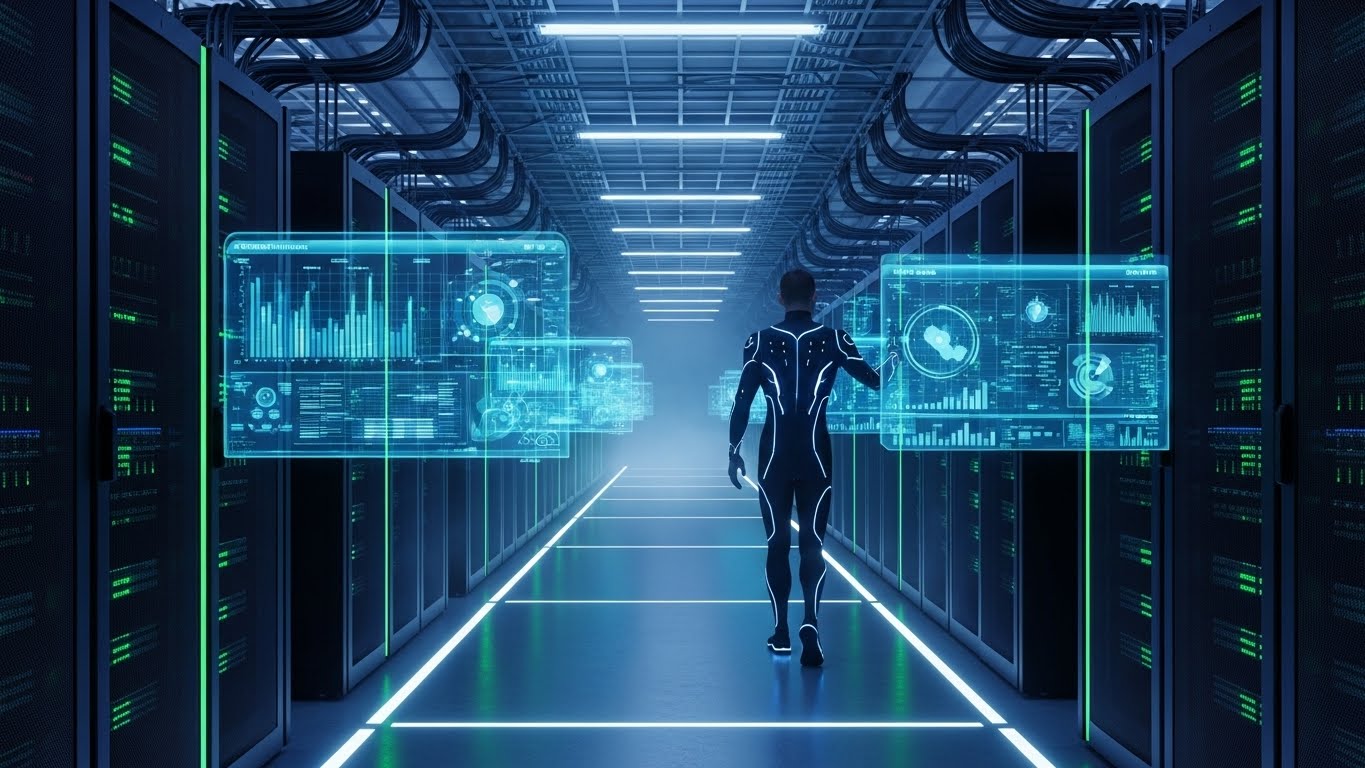
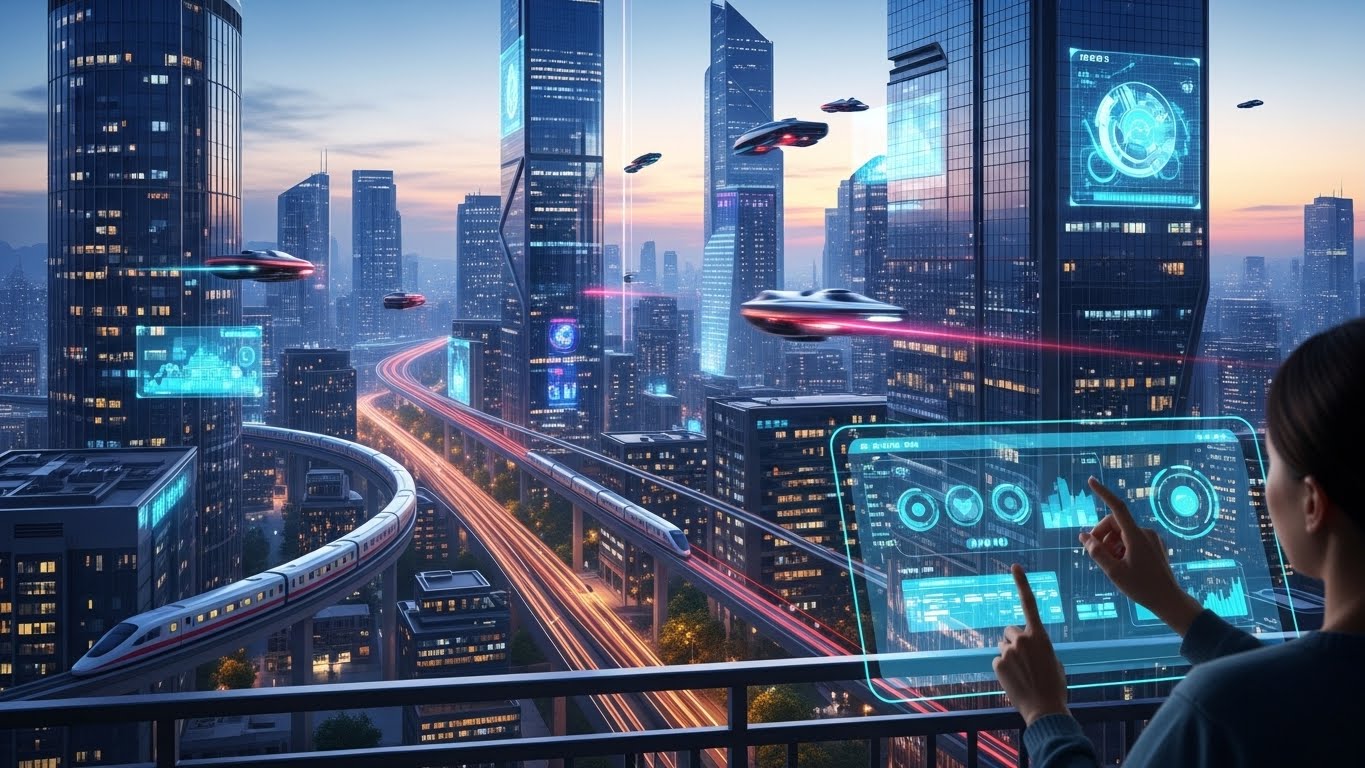
The future of technology promises even greater innovation and integration into daily life. Quantum computing, advanced AI, brain-computer interfaces, and next-generation robotics have the potential to redefine industries and human capabilities. Smart cities, interconnected devices, and augmented reality applications will create seamless, intelligent environments that enhance convenience, safety, and productivity.
Education, healthcare, business, and entertainment will continue to benefit from technological advancements, creating personalized and adaptive experiences. As technology evolves, human creativity, adaptability, and ethical stewardship will determine how it shapes the future.
Conclusion
Technology is a powerful force that has transformed every aspect of modern life. From communication and education to healthcare, business, entertainment, and sustainability, technology drives innovation, efficiency, and human progress. It offers unprecedented opportunities for learning, connection, and creativity while posing ethical and societal challenges that demand thoughtful consideration.
As we move into an increasingly digital future, technology will continue to redefine human experience. Embracing innovation responsibly, fostering inclusivity, and ensuring ethical practices will be essential to harnessing technology’s full potential. The journey of human progress is inseparable from technological advancement, and the possibilities for the future remain boundless.