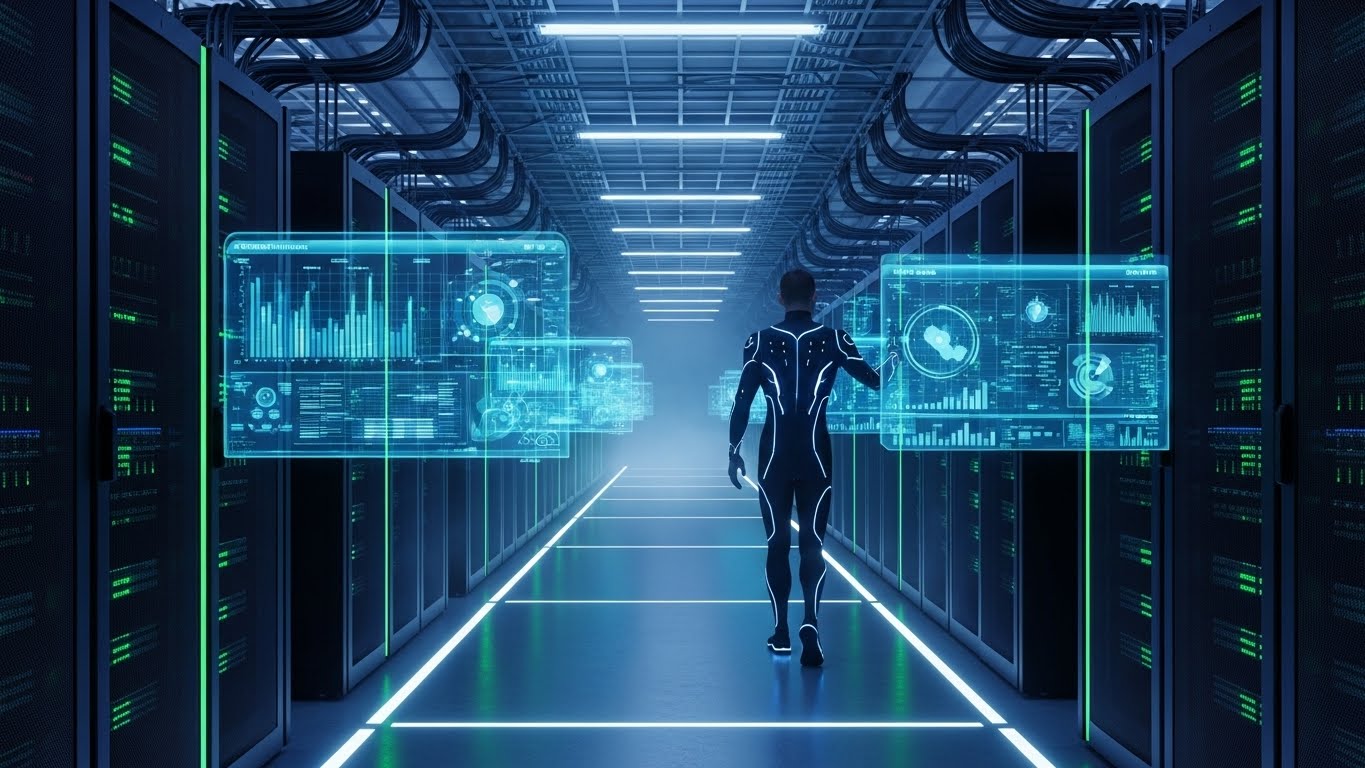

Beyond the Screen: How Modern Technology is Redefining the Future
Introduction: Technology as a Catalyst for Change
Technology has always been a driving force behind human progress. From the earliest inventions like the wheel and printing press to modern artificial intelligence, blockchain, and quantum computing, each technological leap has reshaped society. Today, technology permeates every facet of life—communication, healthcare, education, business, entertainment, and even governance. It has not only enhanced efficiency and productivity but has also transformed the way people think, interact, and innovate.
This blog explores the transformative impact of modern technology, delving into current trends, real-world applications, ethical considerations, and future possibilities. Understanding these dimensions is essential to appreciate how technology is redefining human potential and shaping the future.
The Evolution of Technology
The evolution of technology can be traced back to humanity’s earliest tools, which improved survival and productivity. Stone tools, fire, and early agricultural equipment were foundational innovations. Over time, inventions like the printing press, steam engine, and electricity catalyzed industrial and societal revolutions.
The digital revolution in the late 20th century introduced computers, the internet, and mobile technology. These innovations changed how people communicated, accessed information, and conducted business. Today, the convergence of multiple technological advancements is accelerating change, creating intelligent systems, interconnected devices, and immersive digital experiences.
Artificial Intelligence: The Brain of Modern Technology
Artificial intelligence (AI) is among the most transformative technologies of our era. AI systems can process large datasets, recognize patterns, predict outcomes, and automate complex tasks. AI applications span healthcare, finance, logistics, entertainment, and more.
In healthcare, AI assists in diagnostics, predicts disease progression, and supports personalized treatment plans. In finance, AI optimizes investment strategies, detects fraud, and improves customer service through chatbots and virtual assistants. Machine learning, a subset of AI, allows systems to improve over time, enhancing efficiency and effectiveness across industries.
AI is also transforming creative fields. From music composition to visual art generation, AI enables innovation that blends human creativity with computational power. As AI technology evolves, its potential to redefine industries and daily life continues to expand.
Blockchain: Securing the Digital World
Blockchain technology is revolutionizing the way we manage and secure digital information. Initially popularized by cryptocurrencies, blockchain now extends to supply chains, healthcare, finance, and governance.
Blockchain’s decentralized and tamper-proof ledger provides transparency, security, and trust. Smart contracts automate transactions based on predefined conditions, reducing the need for intermediaries. Decentralized finance platforms allow peer-to-peer transactions, democratizing financial access.
Beyond finance, blockchain is used for secure voting systems, tracking medical records, and authenticating digital assets. By eliminating central points of failure and enhancing transparency, blockchain is reshaping trust in the digital era.
Quantum Computing: Unlocking New Possibilities
Quantum computing represents a paradigm shift from classical computing. Unlike traditional computers that use binary bits, quantum computers use qubits capable of existing in multiple states simultaneously. This enables parallel processing of complex problems, opening new possibilities in science and technology.
Applications of quantum computing include drug discovery, cryptography, climate modeling, and material science. For instance, quantum simulations can accelerate the development of new medications by predicting molecular interactions more accurately than classical computers. Similarly, quantum algorithms can optimize logistics, financial modeling, and energy distribution.
While quantum computing is still in its early stages, its potential to solve problems previously deemed unsolvable promises a revolutionary impact on industries and research.
Internet of Things: A Connected Ecosystem
The Internet of Things (IoT) connects everyday devices to the internet, allowing real-time data collection, monitoring, and automation. Smart homes, wearable devices, connected vehicles, and industrial sensors exemplify IoT’s transformative impact.
In healthcare, IoT devices monitor vital signs and chronic conditions, enabling proactive interventions. In urban planning, IoT supports smart cities by optimizing traffic flow, energy consumption, and waste management. Industrial IoT enhances productivity through predictive maintenance and automated operations.
IoT generates vast amounts of data, which, when analyzed, provides insights that improve efficiency, decision-making, and user experiences. The interconnected ecosystem created by IoT devices is making the world more responsive, intelligent, and adaptive.
5G and the Era of Ultra-Connectivity
The rollout of 5G networks marks a significant leap in mobile and internet connectivity. With higher speeds, lower latency, and greater reliability, 5G enables advanced applications such as autonomous vehicles, virtual and augmented reality, and real-time IoT networks.
5G technology supports seamless remote work, high-definition streaming, and instant data exchange, making it foundational to the modern digital economy. Its impact spans healthcare, entertainment, education, and smart infrastructure, creating a more connected and efficient world.
Technology in Communication and Collaboration
Modern communication technologies have transformed how people interact personally and professionally. Video conferencing, instant messaging, and collaborative platforms enable real-time interaction across geographies.
Remote work has become feasible and effective due to digital collaboration tools. Virtual reality (VR) and augmented reality (AR) are enhancing these interactions by providing immersive meeting experiences. Students, employees, and professionals can now collaborate in ways that were previously impossible, redefining education, work, and global business operations.
Social media platforms have also transformed communication by enabling instant information sharing, networking, and community building. They have redefined how people engage with content, ideas, and cultural trends globally.
Technology in Education
Digital technology has revolutionized education, making learning accessible, interactive, and personalized. Online courses, virtual classrooms, digital textbooks, and AI-driven tutoring systems provide students with adaptable learning experiences.
Gamification and simulation-based education increase engagement and improve understanding of complex concepts. AI tools track student performance, offer personalized feedback, and identify knowledge gaps. Virtual labs and immersive learning modules prepare students for real-world applications.
Remote learning technology has expanded access to education worldwide, breaking geographical barriers and promoting inclusive education. Lifelong learning is also facilitated, allowing individuals to acquire new skills in a rapidly evolving job market.
Technology in Healthcare
Healthcare technology continues to advance, improving patient outcomes and accessibility. Telemedicine has enabled consultations from remote locations, while AI-assisted diagnostics enhance accuracy and early detection.
Wearable devices track heart rate, sleep patterns, physical activity, and chronic conditions, empowering users to take control of their health. Robotic-assisted surgeries provide precision and minimize recovery time, and genomic technology enables personalized treatment plans.
Biotechnology, coupled with AI, is driving breakthroughs in disease prevention, drug discovery, and personalized medicine. Healthcare technology not only improves treatment but also enhances efficiency, safety, and accessibility on a global scale.
Technology in Business and Industry
Modern businesses leverage technology to optimize operations, innovate products, and improve customer experiences. Automation, robotics, and AI analytics increase efficiency, reduce errors, and streamline workflows.
E-commerce platforms have transformed retail by providing global access to products and services. Digital marketing, data analytics, and AI-driven customer insights allow businesses to deliver personalized experiences and predict market trends.
Blockchain and cloud computing enhance transparency, security, and operational flexibility. Industries such as manufacturing, logistics, and finance are becoming more data-driven, adaptive, and competitive due to technology integration.
Technology in Entertainment
Entertainment has been redefined by digital technology. Streaming platforms, gaming, virtual reality, and social media offer immersive and interactive experiences.
Video games have evolved into complex, narrative-driven experiences with high-quality graphics and online multiplayer options. Virtual and augmented reality create interactive worlds, transforming traditional forms of entertainment.
Digital tools empower content creators to produce, distribute, and monetize media globally. This democratization has expanded creative opportunities, allowing individuals and communities to participate actively in shaping entertainment culture.
Ethical and Social Considerations
With rapid technological growth come ethical and social challenges. Issues such as data privacy, cybersecurity, digital addiction, and algorithmic bias require attention. AI and automation may disrupt traditional employment, necessitating reskilling and policy adjustments.
Sustainable technology development is critical to address electronic waste, energy consumption, and environmental impacts. Ensuring equitable access to technology is equally important to prevent a digital divide.
Responsible innovation and ethical governance are essential to harness technology’s potential while minimizing unintended consequences. Balancing progress with human welfare and sustainability remains a global priority.
The Future of Technology
The future promises continued breakthroughs in AI, quantum computing, blockchain, IoT, biotechnology, and renewable energy. Smart cities, autonomous systems, and immersive digital experiences will redefine urban life, work, and leisure.
Emerging technologies will enable more personalized healthcare, adaptive education, sustainable energy solutions, and intelligent transportation systems. The convergence of multiple technologies will create interconnected, responsive, and intelligent systems that enhance human capability and quality of life.
Society must adapt to this evolving technological landscape by embracing innovation responsibly, addressing ethical challenges, and ensuring inclusive access. The future of technology is not just about devices or software—it is about reshaping human potential and global progress.
Conclusion
Modern technology is redefining the world, influencing how we communicate, learn, work, and entertain ourselves. From artificial intelligence and blockchain to quantum computing and IoT, these innovations drive efficiency, connectivity, and creativity.
While challenges such as ethics, security, and sustainability persist, the potential of technology to improve lives and transform society is immense. By understanding and responsibly harnessing these advancements, humanity can create a future defined by progress, innovation, and opportunity.
Technology is no longer a tool; it is the lens through which we envision and shape the world of tomorrow. Its continuous evolution ensures that the digital age will remain an era of unprecedented transformation, redefining the limits of human achievement.