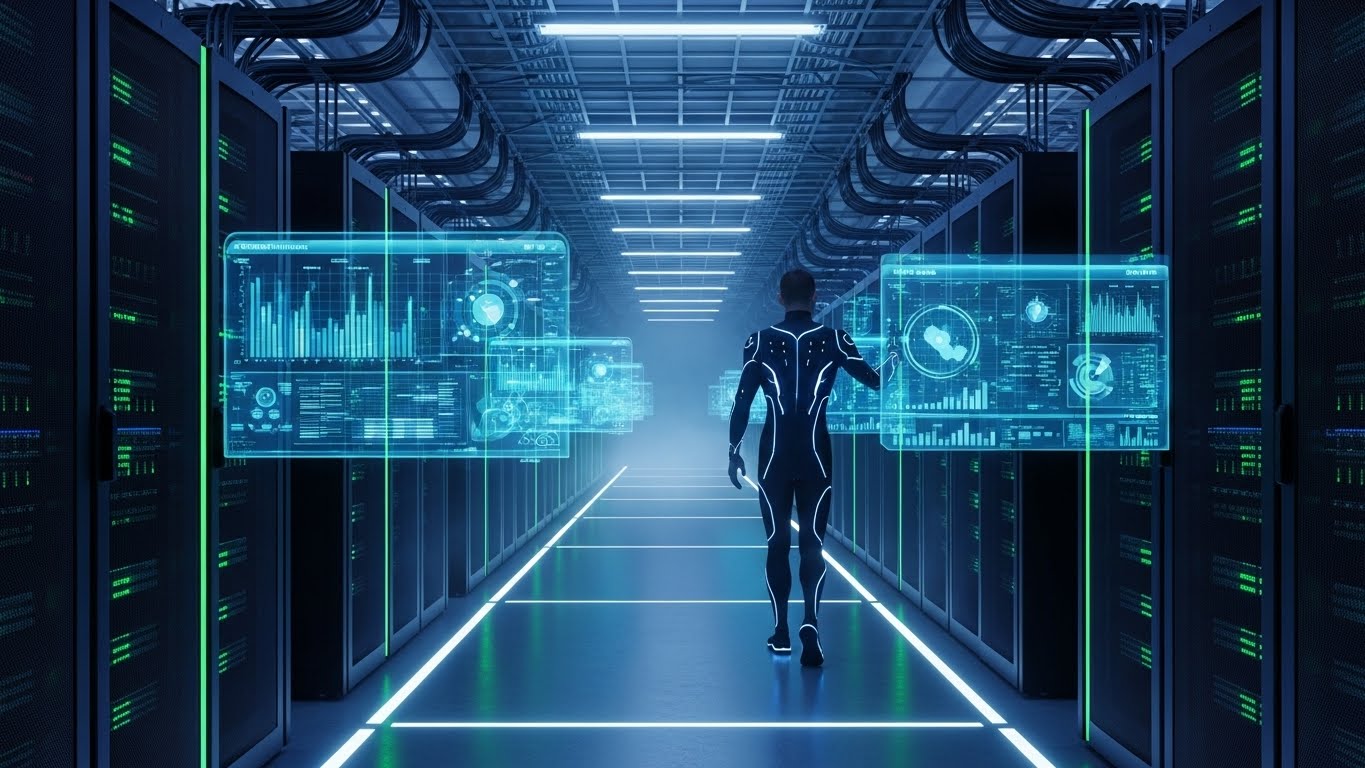

Introduction: The Ever-Evolving Tech Landscape
Technology is no longer just a tool we use—it is a driving force shaping every aspect of our lives. From the way we communicate and work to how we learn, travel, and even entertain ourselves, technology has become inseparable from daily life. The pace at which it evolves continues to astonish us, bringing innovations that once belonged only in science fiction into our reality.
In this blog, we explore the multifaceted world of technology, examining how it influences society, drives innovation, and reshapes the future. We will also consider both its remarkable benefits and the challenges it presents, showing why understanding technology has never been more important.
The Digital Revolution: Transforming Communication
One of the most visible impacts of technology is in communication. The rise of smartphones, social media, and instant messaging has created a world where information travels faster than ever. Friends and families separated by continents can remain connected effortlessly. Businesses reach global audiences with the click of a button, and virtual meetings have become a standard part of professional life.
Technology has also democratized communication. Individuals can now voice opinions, share ideas, and create content without relying on traditional media channels. This has empowered movements, facilitated awareness campaigns, and allowed diverse voices to reach audiences worldwide.
Artificial Intelligence: The New Frontier
Artificial intelligence, or AI, is revolutionizing industries in ways that were unimaginable just a decade ago. AI algorithms can analyze vast amounts of data in seconds, predict trends, and even create solutions for complex problems. In healthcare, AI helps diagnose diseases faster and more accurately. In finance, it enhances fraud detection and optimizes investments.
Beyond professional applications, AI is becoming a part of everyday life. Virtual assistants help manage schedules, recommend entertainment, and even assist in shopping. While the capabilities of AI continue to expand, ethical considerations such as privacy, bias, and accountability remain critical topics for discussion.
Smart Devices: Redefining Everyday Life
Smart technology has transformed ordinary objects into connected, intelligent devices. Smart homes equipped with automated lighting, temperature control, and security systems offer convenience and energy efficiency. Wearable devices track health metrics like heart rate, sleep patterns, and physical activity, encouraging healthier lifestyles.
These innovations make life more efficient and informed. However, they also raise questions about data security and dependence on technology. Understanding the balance between convenience and privacy is key as smart devices become more integrated into our routines.
The Internet of Things: Connecting Our World
The Internet of Things, or IoT, takes connectivity a step further by linking devices to communicate and share data. From smart refrigerators that track groceries to sensors monitoring industrial machinery, IoT is creating a more connected and automated world.
IoT is also revolutionizing urban planning through the development of smart cities. Traffic management, energy distribution, and waste management systems benefit from real-time data, improving efficiency and sustainability. As IoT grows, it promises a future where technology seamlessly integrates into daily life, creating smarter and more responsive environments.
Cybersecurity: Safeguarding Our Digital Lives
As technology becomes more pervasive, the importance of cybersecurity cannot be overstated. Personal information, financial data, and even national security rely on robust digital defenses. Cyber threats such as hacking, phishing, and ransomware attacks are increasing in frequency and sophistication.
To protect against these risks, individuals and organizations must adopt secure practices, including strong passwords, encryption, and regular system updates. Awareness and education are equally critical, as even the most advanced systems can be vulnerable to human error. Cybersecurity is not just a technical challenge but a shared responsibility in our connected world.
Cloud Computing: The Backbone of Modern Business
Cloud technology has revolutionized the way businesses operate. By storing and processing data online rather than on local servers, organizations gain flexibility, scalability, and cost efficiency. Cloud services enable remote work, real-time collaboration, and access to powerful computing resources without heavy infrastructure investments.
For individuals, cloud computing allows access to documents, media, and applications from anywhere, enhancing productivity and convenience. The cloud is a central pillar of digital transformation, powering everything from startups to multinational corporations.
Virtual Reality and Augmented Reality: Shaping New Experiences
Virtual reality (VR) and augmented reality (AR) are redefining entertainment, education, and professional training. VR immerses users in fully digital worlds, providing experiences from virtual travel to realistic gaming environments. AR overlays digital information onto the real world, enhancing navigation, shopping, and interactive learning.
These technologies are also transforming professional fields. Surgeons use VR simulations to practice complex procedures, architects visualize building designs, and engineers troubleshoot machinery remotely. As VR and AR evolve, they promise to blur the line between the digital and physical worlds.
Technology and Education: Learning in the Digital Age
Education has been dramatically reshaped by technology. Online learning platforms, interactive apps, and digital textbooks have made education more accessible and flexible than ever before. Students can now learn at their own pace, access global resources, and collaborate virtually with peers worldwide.
Technology also introduces innovative teaching methods. Gamification, simulations, and AI tutors enhance engagement and provide personalized learning experiences. While digital tools improve access and efficiency, educators must ensure that technology complements, rather than replaces, critical thinking and human interaction.
Sustainability Through Technology
Technology plays a crucial role in addressing global sustainability challenges. Renewable energy solutions such as solar panels, wind turbines, and energy storage systems rely on technological advances to become more efficient and cost-effective. Smart grids optimize energy distribution, while electric vehicles reduce reliance on fossil fuels.
Agriculture benefits from precision farming techniques, drones, and automated irrigation systems, which increase productivity while conserving resources. Technology not only provides tools to mitigate environmental impact but also enables innovative solutions for long-term sustainability.
The Future of Work: Automation and Human Potential
The workplace is undergoing a profound transformation due to automation and digital tools. Routine tasks are increasingly handled by machines, freeing humans to focus on creativity, problem-solving, and strategic decision-making. Remote work, supported by collaboration tools and cloud technology, has changed the traditional office landscape.
This evolution presents opportunities and challenges. Employees must adapt by developing new skills, while organizations must balance efficiency with human creativity. Technology is reshaping not just what we do, but how we think about work and career development.
Ethical Considerations: Navigating the Digital Era
As technology becomes more advanced, ethical questions become increasingly complex. AI decision-making, data privacy, genetic editing, and surveillance technology all require careful consideration. Societies must navigate the balance between innovation and responsibility, ensuring that technology serves humanity rather than compromising values.
Ethical frameworks, regulations, and awareness are crucial for maintaining trust and accountability. Individuals, companies, and governments all play a role in guiding the responsible development and use of technology.
Conclusion: Embracing the Tech-Driven Future
Technology is no longer a background element of modern life; it is the foundation on which our present and future are built. Its impact spans communication, health, work, education, entertainment, and sustainability, transforming the world in unprecedented ways.
Embracing technology means understanding its potential while remaining mindful of its challenges. It calls for continuous learning, adaptability, and a commitment to ethical use. By harnessing the power of technology responsibly, we can unlock opportunities for innovation, progress, and a better quality of life for all.