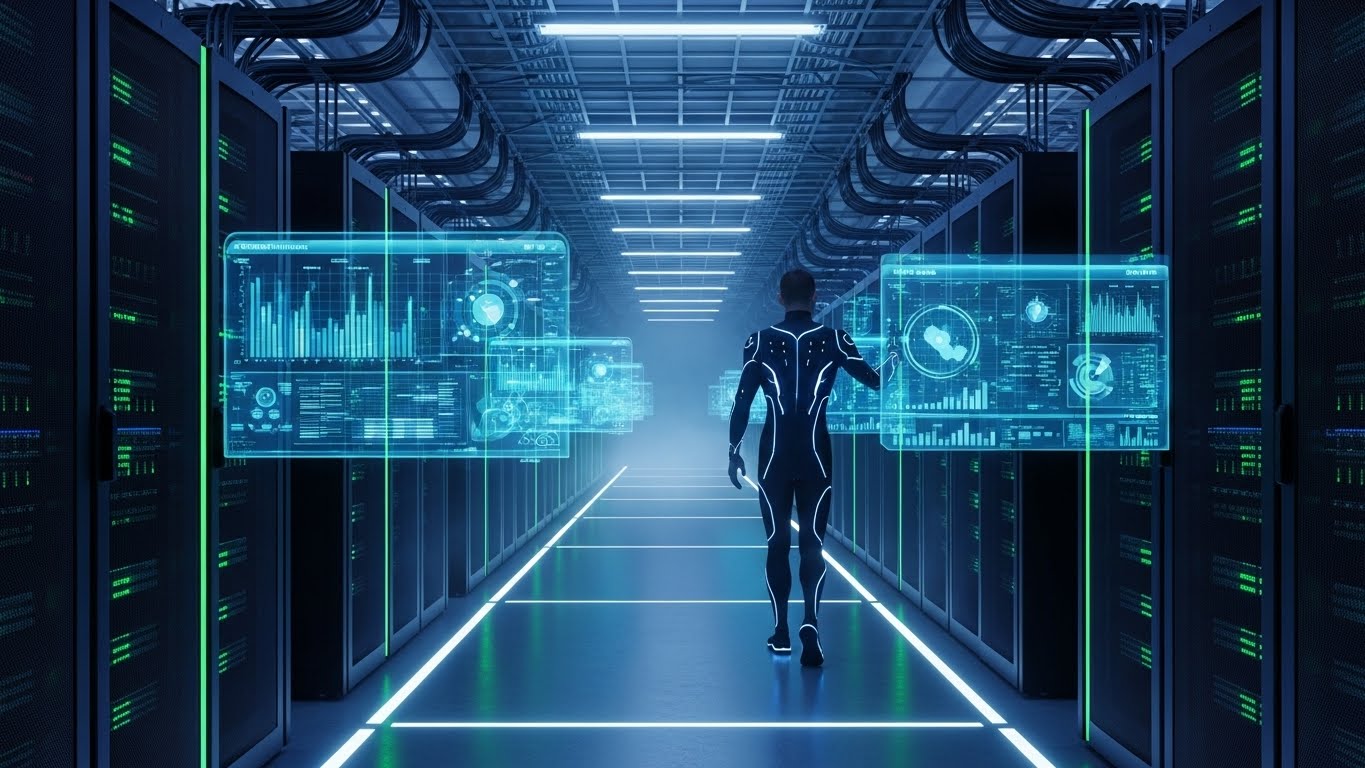

Embracing the Digital Revolution: How Emerging Technologies Are Shaping Our Future
Technology has always been the driving force behind human progress. From the invention of the wheel to the development of the internet, each breakthrough has dramatically reshaped the way we live, work, and interact with one another. As we find ourselves in the midst of the 21st century, the digital revolution continues at an unprecedented pace, bringing new technologies that promise to revolutionize virtually every industry. With advancements in artificial intelligence (AI), cloud computing, blockchain, and other emerging technologies, we are entering an era of innovation that will redefine the future. This blog post explores how these technologies are shaping our world, from everyday life to industry-wide transformation.
The Rise of Artificial Intelligence: More Than Just Automation
Artificial intelligence (AI) is arguably the most transformative technology of our time. While AI was once the stuff of science fiction, it is now a cornerstone of modern technological advancements. From voice assistants like Siri and Alexa to self-driving cars and healthcare diagnostics, AI is being integrated into a wide variety of applications, making processes faster, more accurate, and efficient.
In business, AI is being used to automate repetitive tasks, enabling employees to focus on more strategic and creative work. It’s also helping companies make data-driven decisions, improving customer experiences, and enhancing product development. One of the most exciting aspects of AI is its potential to create personalized experiences. In the future, AI-powered systems will be able to learn about users’ preferences and adapt to their needs, offering solutions tailored to their individual requirements.
However, with AI’s rise comes concerns about job displacement, ethics, and privacy. As machines become more capable of performing tasks traditionally done by humans, questions about the future of employment and how society can adapt arise. Moreover, AI systems rely heavily on data, and without proper regulation, there are concerns about how this data is collected and used.
Blockchain Technology: Beyond Cryptocurrency
Blockchain technology is best known as the backbone of cryptocurrencies like Bitcoin and Ethereum. However, its potential extends far beyond the realm of digital currencies. Blockchain is a decentralized, distributed ledger system that allows for secure and transparent transactions without the need for intermediaries like banks or governments.
The key benefits of blockchain technology are its transparency, security, and immutability. Once data is recorded on a blockchain, it cannot be altered, making it an ideal solution for applications where trust and accountability are essential. For example, in supply chain management, blockchain can provide an immutable record of every transaction, ensuring that products are traceable and that fraud is minimized. Similarly, blockchain can be used in healthcare to securely store patient records and enable data sharing among medical professionals while maintaining privacy.
In addition to financial services and supply chain applications, blockchain is being explored for use in digital identity management, voting systems, and intellectual property protection. As blockchain continues to evolve, its potential to revolutionize industries outside of cryptocurrency is becoming increasingly clear.
The Evolution of Cloud Computing: Flexibility and Scalability for Businesses
Cloud computing has already transformed the way businesses operate, and it will continue to be a driving force behind digital transformation in the coming years. Cloud computing allows businesses to access computing resources—such as servers, storage, and databases—over the internet, eliminating the need for costly on-premise infrastructure.
The benefits of cloud computing are numerous. For one, it offers scalability, allowing businesses to scale up or down based on their needs. This is especially important for startups and small businesses that may not have the resources to maintain large, expensive IT infrastructures. In addition, cloud computing enhances collaboration by enabling employees to access and share data from anywhere, making it easier to work remotely or collaborate across different locations.
Cloud computing has also facilitated the rise of Software as a Service (SaaS), a business model that allows companies to access software applications on a subscription basis. This has made advanced software tools more accessible to businesses of all sizes, leveling the playing field and allowing small companies to compete with larger corporations.
The future of cloud computing will likely see even more innovation, with hybrid and multi-cloud environments allowing businesses to combine public and private cloud solutions. This flexibility will help businesses optimize costs, enhance security, and improve performance.
The Internet of Things (IoT): Connecting the World
The Internet of Things (IoT) refers to the network of physical devices embedded with sensors, software, and other technologies that allow them to connect and exchange data over the internet. This includes everything from smart home devices like thermostats and light bulbs to industrial sensors and wearable devices.
As the number of connected devices grows, so does the potential for IoT to revolutionize various industries. In smart homes, IoT technology enables devices to communicate with each other and automate tasks, such as adjusting the temperature, turning on lights, or locking doors. In healthcare, wearable devices monitor patients’ vital signs in real-time, sending data to doctors who can make more informed decisions about treatment.
In industries like manufacturing, transportation, and agriculture, IoT is already being used to improve efficiency, reduce costs, and increase safety. For example, in manufacturing, IoT sensors can monitor machinery for signs of wear and tear, enabling predictive maintenance that prevents costly breakdowns. Similarly, in agriculture, IoT technology helps farmers monitor soil conditions, weather patterns, and crop health, allowing them to optimize resources and increase yields.
As IoT continues to expand, the amount of data generated by connected devices will skyrocket. This data will need to be processed and analyzed in real-time, leading to the rise of edge computing, which processes data closer to the source, reducing latency and improving performance.
The Impact of 5G: A Faster, More Connected World
The rollout of 5G networks is poised to have a major impact on the future of technology. 5G, the fifth generation of wireless technology, promises faster speeds, lower latency, and greater network capacity than previous generations. This means that more devices can be connected to the network without compromising speed or performance.
One of the most significant implications of 5G is its ability to support the growing Internet of Things (IoT) ecosystem. With 5G’s low latency and high capacity, connected devices will be able to communicate with each other in real-time, enabling applications like autonomous vehicles, smart cities, and industrial automation to become more reliable and efficient.
5G will also enhance the capabilities of augmented reality (AR) and virtual reality (VR) applications. These immersive technologies require high bandwidth and low latency to provide a smooth, real-time experience. With 5G, AR and VR can be used in a variety of industries, from entertainment and gaming to healthcare and education.
While the full deployment of 5G is still in progress, its potential to revolutionize how we connect and interact with the digital world is already clear.
The Growing Role of Cybersecurity in a Digital World
As our lives become increasingly digital, the importance of cybersecurity cannot be overstated. With more sensitive data being stored and transmitted online, the risk of cyberattacks and data breaches is higher than ever before. Cybersecurity technologies, such as encryption, multi-factor authentication, and AI-powered threat detection, are essential for protecting both individuals and organizations.
In the coming years, cybersecurity will become even more critical as new technologies like AI, IoT, and blockchain are integrated into everyday life. These technologies create new vulnerabilities that cybercriminals can exploit, making it necessary for businesses and governments to invest in robust security measures.
Furthermore, the rise of cybercrime will lead to greater collaboration between public and private sectors to create policies and frameworks that ensure data privacy and security. As we embrace the digital revolution, cybersecurity will remain at the forefront of the conversation.
Conclusion: A Future Driven by Innovation
The future of technology is bright, with emerging innovations set to transform how we live, work, and interact. From artificial intelligence and blockchain to cloud computing and the Internet of Things, these technologies have the potential to improve our lives in ways we never thought possible.
However, as we move forward, it is essential to consider the ethical, social, and economic implications of these technologies. We must ensure that technological advancements benefit all members of society and that privacy and security are prioritized.
As we embrace the digital revolution, the possibilities are endless. By harnessing the power of emerging technologies, we can create a more connected, efficient, and sustainable future.