
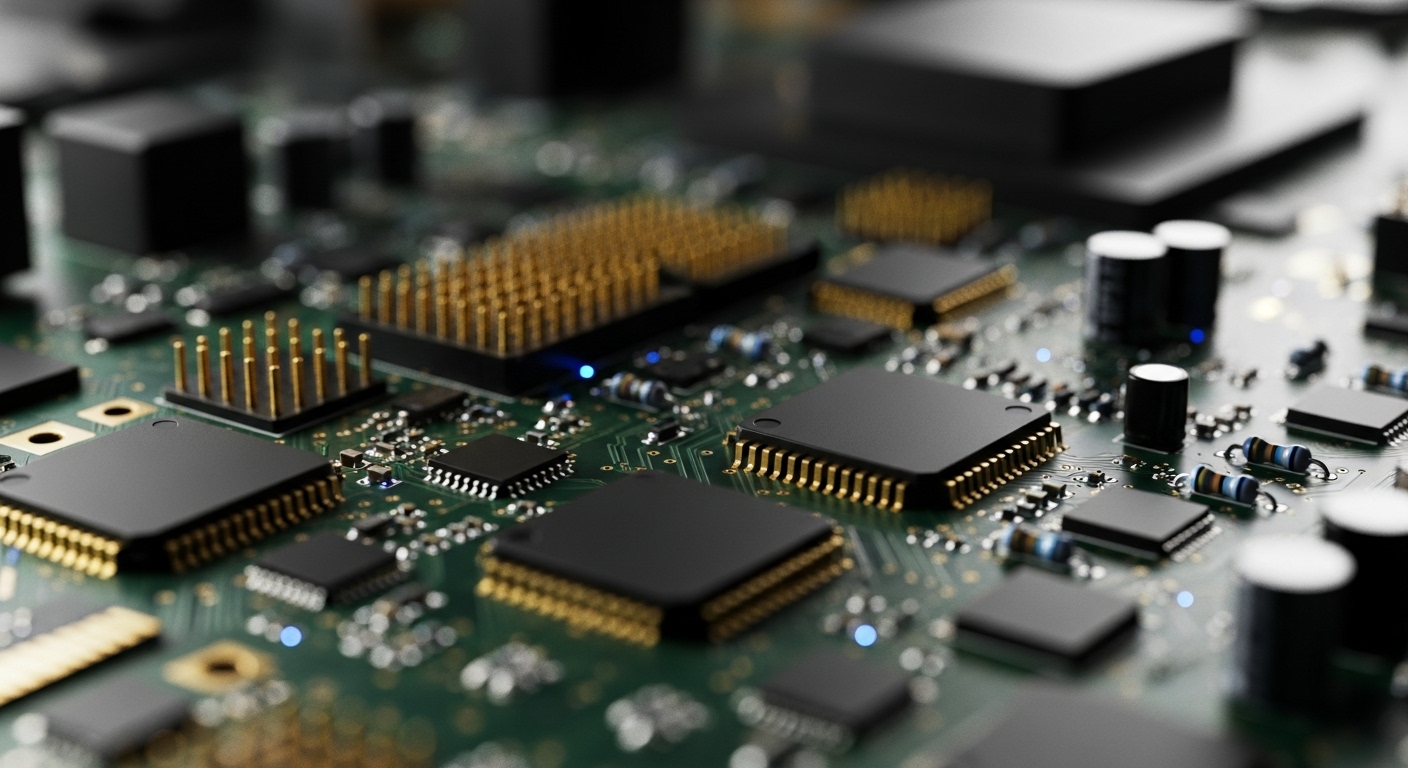
The world of technology is advancing at an astonishing pace. Every year brings new breakthroughs that change how we live, work, and interact with one another. From artificial intelligence to quantum computing, tech innovations are revolutionizing industries and offering new opportunities that were once unimaginable. As we look ahead, it’s clear that the future of tech is filled with possibilities. In this post, we’ll explore some of the most exciting technological trends that are shaping the future and how they may impact our lives.
Artificial Intelligence: The Brain of Tomorrow’s Technology
Artificial Intelligence (AI) has quickly evolved from a buzzword into one of the most transformative technologies of our time. AI systems, which can learn and adapt to new information, are now capable of performing tasks that were once reserved for humans. This includes everything from driving cars to diagnosing diseases, and even creating art.
In industries like healthcare, AI is being used to analyze medical images, predict disease outbreaks, and assist in robotic surgeries. In business, AI-driven tools are improving decision-making processes, automating customer service, and personalizing user experiences. As AI continues to learn and improve, it’s poised to become an even more integral part of our daily lives, streamlining tasks, enhancing productivity, and unlocking new possibilities across all sectors.
5G Technology: The Future of Connectivity
The rollout of 5G networks is one of the most exciting developments in technology today. With speeds that are exponentially faster than 4G, 5G promises to change the way we connect to the internet and interact with the digital world. This leap in connectivity will open the door to new innovations in fields like autonomous vehicles, smart cities, and the Internet of Things (IoT).
For example, autonomous vehicles will need 5G’s ultra-low latency to communicate with other vehicles and infrastructure in real-time, making self-driving cars safer and more reliable. Additionally, 5G will support the growing demand for data-heavy applications, such as virtual and augmented reality, by providing faster and more stable connections. As 5G networks continue to expand globally, we can expect the digital experience to become more seamless, instantaneous, and immersive.
Quantum Computing: The Next Frontier in Processing Power
Quantum computing is set to disrupt everything we know about processing power. Traditional computers use bits to process information in binary, while quantum computers use quantum bits, or qubits, which can exist in multiple states simultaneously. This allows quantum computers to solve complex problems much faster than classical computers.
While quantum computing is still in its early stages, its potential is immense. In fields like cryptography, quantum computing could break encryption methods that are currently considered unbreakable. In pharmaceuticals, it could be used to simulate molecular structures, speeding up the process of discovering new drugs. As quantum technology evolves, it will open up new possibilities that could change the course of industries such as finance, energy, and materials science.
The Rise of Robotics: From Factories to Homes
Robotics is another area of technology that is advancing rapidly. Robots, which have traditionally been confined to factory floors, are now expanding into a wide range of industries, from healthcare to hospitality. Today’s robots are becoming more intelligent, versatile, and capable of performing increasingly complex tasks.
In healthcare, robots are assisting with surgeries, providing care for elderly patients, and even helping with physical therapy. In logistics, autonomous delivery robots are beginning to handle tasks like last-mile delivery, reducing the need for human drivers. In the home, robots are becoming more common, with smart assistants like robotic vacuum cleaners and lawn mowers making everyday tasks easier and more efficient. As robotics technology improves, it will continue to change the way we work and live, taking over repetitive tasks and allowing humans to focus on more creative and strategic roles.
The Internet of Things: Connecting the World Around Us
The Internet of Things (IoT) is the network of devices that communicate with each other over the internet, and it’s already transforming the way we interact with the world. IoT includes everything from smart home devices like thermostats, lights, and security cameras, to connected vehicles, wearables, and even industrial equipment.
As IoT continues to grow, it will create smarter homes, cities, and workplaces. For example, smart homes can automatically adjust lighting, temperature, and security settings based on your preferences or activity patterns. In cities, IoT sensors can optimize traffic flow, monitor air quality, and even manage waste. In industries like agriculture, IoT devices can track crop health, manage irrigation systems, and even automate harvesting processes. The IoT ecosystem is poised to connect billions of devices, creating a more efficient, convenient, and sustainable world.
Augmented and Virtual Reality: New Dimensions of Experience
Augmented reality (AR) and virtual reality (VR) are two technologies that are already having a profound impact on entertainment, education, and even healthcare. While VR immerses users in entirely virtual worlds, AR overlays digital information on the physical world, enhancing how we perceive and interact with our surroundings.
In gaming, VR is providing players with an incredibly immersive experience, allowing them to step into virtual worlds like never before. In education, AR can make learning more interactive and engaging by displaying 3D models and simulations. In healthcare, VR is being used for pain management, physical therapy, and medical training, offering new ways to treat patients and train professionals. As AR and VR technologies improve, they will continue to redefine how we interact with digital content and the world around us.
Blockchain Technology: Beyond Cryptocurrency
Blockchain, the technology behind cryptocurrencies like Bitcoin, is another innovation that is making waves across various industries. Blockchain is a decentralized and secure way to store and share data, and its applications extend far beyond digital currencies.
In finance, blockchain can provide faster, more secure transactions without the need for intermediaries like banks. In supply chain management, blockchain offers a transparent and immutable record of every transaction, helping to trace products from origin to consumer and ensuring authenticity. In healthcare, blockchain can be used to securely store and share patient data, improving privacy and access. As blockchain technology matures, it will continue to disrupt industries by offering new ways to store and manage data securely and transparently.
The Future of Tech: Exciting Challenges and Opportunities
The future of technology is bright, and the innovations we’ve explored here are just the tip of the iceberg. From artificial intelligence to quantum computing and robotics, the pace of technological advancement shows no signs of slowing down. As we embrace these innovations, we’ll face challenges related to privacy, security, and ethics, but the potential benefits are too great to ignore.
In the coming years, technology will continue to transform industries, improve our lives, and create new opportunities. It’s an exciting time to be part of the tech-driven future, and the possibilities are endless. As we navigate this new era, one thing is certain: technology will continue to shape our world in ways we’ve never imagined.