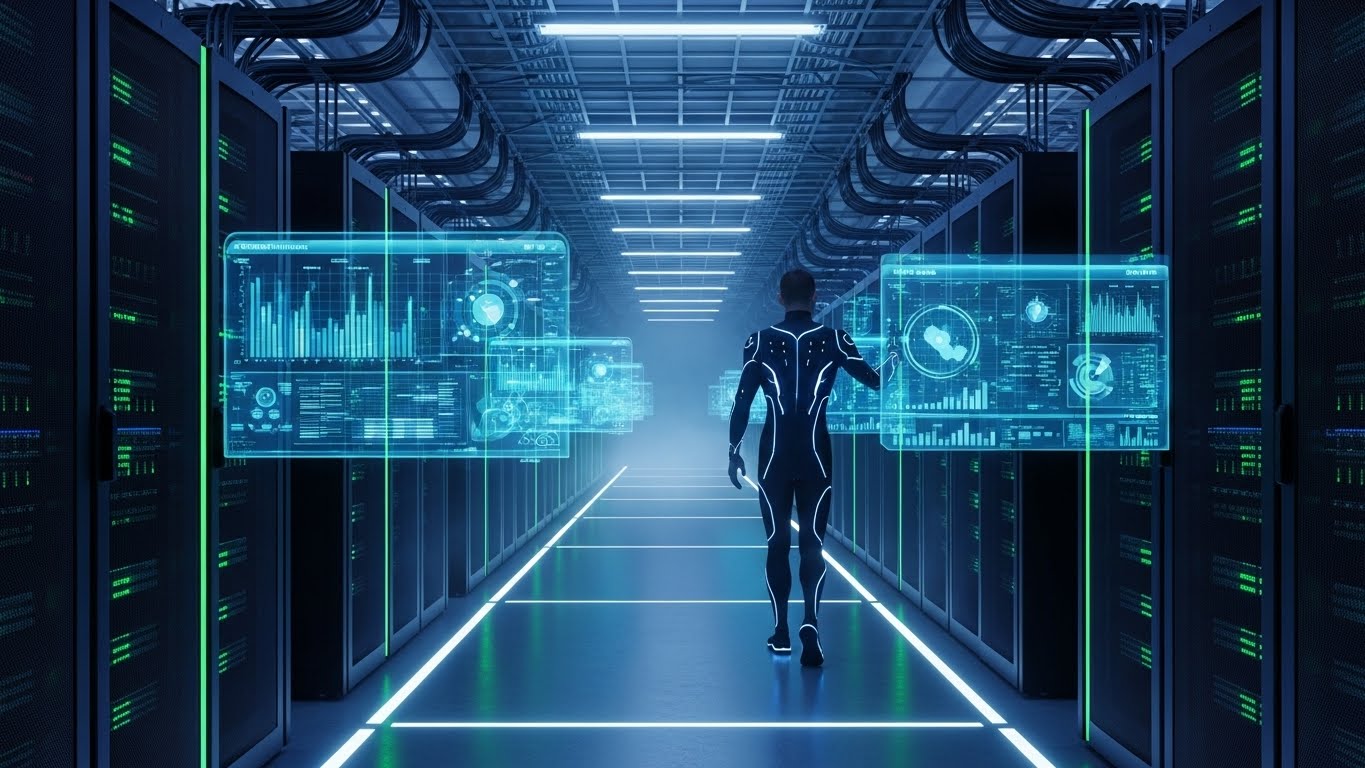

Technology is the foundation of modern civilization. It has reshaped the way we live, work, communicate, and even think. From the invention of the wheel to the dawn of artificial intelligence, humanity’s progress has always been intertwined with technological innovation. Every generation inherits tools that redefine what is possible, and the current digital era stands as the most transformative yet.
Today, technology is more than just machines or devices—it’s the language of progress, connecting every industry, every nation, and every person. It fuels economies, enhances creativity, and extends human potential beyond imagination. The modern world thrives on code, data, and connectivity, and the pace of innovation continues to accelerate.
The Dawn of Modern Technology
To understand the world we live in today, we must look back to where modern technology began. The industrial revolution marked the first major technological leap, when human labor merged with mechanical power. Steam engines, electricity, and telegraphs redefined production, transportation, and communication. For the first time, machines began to do work that humans once thought only they could perform.
As decades passed, the 20th century brought technological acceleration at a speed unseen before. The telephone connected homes across continents. Automobiles and airplanes shrank the world. The discovery of semiconductors and the rise of computers transformed the very nature of work, science, and communication.
The late 20th century introduced the digital age—computers became personal, the internet became global, and information became the new currency. What once took days could now be done in seconds. From business to art, everything changed with the rise of computing power.
The Digital Transformation
Digital technology is the heart of the 21st century. Every industry, from healthcare to finance, education to entertainment, now relies on digital infrastructure. Data has become the lifeblood of progress, powering decisions and shaping the global economy.
Digital transformation is more than the adoption of new tools—it’s a complete shift in how organizations and societies function. Businesses now rely on cloud computing, artificial intelligence, and data analytics to operate efficiently and reach customers. Governments use digital systems for transparency and efficiency. Even individuals, through smartphones and smart homes, live connected digital lives.
This digitalization has blurred the lines between physical and virtual worlds. Remote work, online learning, digital art, and e-commerce all depend on technology that connects people beyond physical boundaries. The pandemic accelerated this transformation even more, proving that digital readiness is essential for survival in the modern age.
The Rise of Artificial Intelligence
Among the most groundbreaking technologies shaping the present and future is artificial intelligence (AI). Once a concept confined to science fiction, AI is now an everyday reality. It powers our digital assistants, recommends our music and movies, detects fraud in our banks, and even assists doctors in diagnosing diseases.
AI’s ability to analyze data and learn from it gives it limitless potential. Machine learning and deep learning models can identify patterns far beyond human capability. In industries like manufacturing, logistics, and customer service, AI automates repetitive tasks, increases accuracy, and saves time.
However, AI’s rise also brings philosophical and ethical challenges. Questions about job displacement, data privacy, and decision-making transparency are becoming central debates in society. Balancing innovation with responsibility will determine how humanity harnesses the true power of AI in the decades ahead.
The Power of the Cloud
Cloud computing has completely redefined how technology is used. Instead of relying on local servers or hardware, data and applications now live in the cloud—accessible from anywhere, at any time. This shift has empowered businesses and individuals to scale, collaborate, and innovate without physical limits.
The cloud enables global collaboration. A designer in one country can work with a developer halfway across the world in real time. Startups can access computing power once reserved for massive corporations. It has become the invisible backbone of digital transformation, powering apps, websites, analytics, and artificial intelligence systems alike.
In personal life, cloud storage ensures that photos, documents, and memories are never truly lost. For organizations, it offers flexibility, efficiency, and security at a fraction of traditional costs. The rise of hybrid and multi-cloud models further proves that the cloud is not just a service—it’s a necessity in the modern world.
The Internet of Things and Smart Living
The Internet of Things (IoT) has quietly turned everyday objects into intelligent devices. From smart thermostats and wearable fitness trackers to connected cars and industrial sensors, IoT has created a web of devices that communicate seamlessly with one another.
In homes, IoT enables convenience and efficiency. Smart assistants respond to voice commands, security systems can be controlled remotely, and appliances can optimize energy usage automatically. In cities, IoT powers smart infrastructure—traffic management, waste reduction, and public safety all benefit from connected systems that analyze real-time data.
In industries, IoT revolutionizes production and logistics. Sensors track supply chains, monitor machinery, and predict maintenance needs before breakdowns occur. This fusion of physical and digital systems has led to smarter, more sustainable operations.
However, the expansion of IoT also introduces security challenges. As more devices connect, safeguarding data and privacy becomes crucial. The future of IoT depends on striking a balance between convenience and control.
Cybersecurity in the Modern Era
With great connectivity comes great vulnerability. The digital age has made cybersecurity one of the most vital concerns for individuals and organizations alike. Every click, transaction, and message leaves a digital footprint, creating opportunities for exploitation if not properly protected.
Cyber threats evolve constantly—from phishing and ransomware to state-sponsored attacks. Hackers target everything from personal emails to global corporations. The more digital the world becomes, the more essential robust cybersecurity measures become.
Encryption, authentication, and firewalls are just the beginning. Modern cybersecurity relies on predictive AI, zero-trust architecture, and real-time monitoring. Companies invest heavily in training employees, securing networks, and safeguarding sensitive information.
For individuals, awareness is equally important. Simple actions like strong passwords, software updates, and cautious browsing can prevent major losses. In the end, cybersecurity is not just a technical issue—it’s a responsibility shared by everyone in the digital ecosystem.
Mobile Technology and Connectivity
The smartphone stands as one of the greatest inventions of the modern era. It has condensed the world into the palm of our hands. Through mobile technology, communication, information, and entertainment are always within reach.
Beyond convenience, mobile devices have transformed economies. Mobile banking brings financial access to remote areas. Health apps monitor wellness, and educational platforms reach students who once had no access to classrooms. In developing regions, mobile technology has become a powerful tool for inclusion and empowerment.
The evolution of connectivity, from 3G to 5G and soon 6G, continues to push boundaries. High-speed mobile networks enable instant data exchange, seamless video streaming, and innovations like autonomous vehicles and smart cities. Connectivity is no longer a luxury—it’s the foundation of progress.
Automation and the Future of Work
Automation has reshaped the global workforce. Robots, algorithms, and AI systems now perform tasks once handled exclusively by humans. Manufacturing lines use robotic arms with precision and endurance beyond human limits. Software bots manage repetitive administrative work, freeing employees for creative and strategic tasks.
While automation drives efficiency and reduces costs, it also raises concerns about job displacement. As machines take over routine tasks, the demand for new skills rises. The workforce of the future must adapt, learning to work alongside technology rather than fear it.
The concept of lifelong learning has become more relevant than ever. Skills in coding, data analysis, and critical thinking will define the next generation of workers. Technology will not replace humans but will transform how we work, pushing us toward roles that require empathy, creativity, and innovation.
Sustainability and Green Technology
As technology advances, the need for sustainability grows urgent. Modern innovations must not only serve convenience but also protect the planet. Green technology aims to reduce environmental impact through renewable energy, efficient design, and smart systems.
Solar panels, wind turbines, and electric vehicles represent only the beginning. Smart grids optimize energy use, and green data centers reduce carbon footprints. Even artificial intelligence contributes by analyzing patterns to predict environmental changes and resource consumption.
Sustainability is no longer optional—it’s essential. Businesses are integrating eco-friendly practices into their operations, and consumers increasingly choose sustainable products. Technology offers the tools to build a cleaner, smarter, and more responsible future.
The World of Big Data
Data is the new oil of the modern world. Every click, transaction, and interaction generates information that can be analyzed for insights. Big data enables organizations to understand trends, predict behavior, and make smarter decisions.
In healthcare, data helps identify disease patterns and improve treatment outcomes. In business, it drives marketing strategies and customer personalization. In transportation, it optimizes routes and reduces congestion. The applications are endless.
However, the explosion of data also raises ethical and privacy concerns. How data is collected, stored, and used must be transparent and fair. Regulations are evolving to protect individual rights while allowing innovation to flourish. The challenge lies in balancing opportunity with responsibility.
Virtual Reality and Augmented Reality
Virtual reality (VR) and augmented reality (AR) are reshaping how we interact with the world. VR immerses users in digital environments, while AR overlays digital information onto the physical world. Together, they bridge imagination and reality.
These technologies are no longer limited to gaming. In education, VR creates immersive learning experiences. In healthcare, it aids surgical training and therapy. In architecture and design, AR visualizes structures before they’re built.
The potential is limitless. As devices become lighter, faster, and more affordable, VR and AR will redefine entertainment, work, and communication. They represent a new dimension of human experience, where creativity meets technology.
The Expansion of Robotics
Robotics combines engineering, computer science, and imagination. Robots now operate in factories, hospitals, homes, and even outer space. They perform tasks that are dangerous, repetitive, or impossible for humans.
In medicine, robotic surgery enhances precision. In agriculture, autonomous drones monitor crops and optimize irrigation. In disaster zones, robots assist in search and rescue missions.
The field of robotics continues to evolve with artificial intelligence and machine learning, enabling robots to adapt and learn from their environments. The future may see robots not as tools but as companions—collaborative partners that assist and learn alongside humans.
Space Technology and Human Exploration
Technology has carried humanity beyond the boundaries of Earth. From the first satellites to interplanetary missions, space technology represents the height of innovation and curiosity.
Satellites now form the backbone of communication, navigation, and observation systems. Space research drives advancements in materials science, energy efficiency, and AI. Private companies are joining the space race, making exploration more dynamic than ever.
The dream of human settlement on other planets no longer feels impossible. As technology continues to evolve, the stars may truly become within reach.
Ethics and Responsibility in Technology
Every advancement brings new responsibility. The power of technology demands ethical consideration—how it’s used, who benefits, and who might be left behind.
Issues like digital privacy, misinformation, bias in algorithms, and environmental impact remind us that technology is not neutral. It reflects human intentions and values. Building a just and equitable digital world requires collaboration between innovators, governments, and citizens.
Ethical technology means innovation with conscience. It means designing systems that enhance life, not exploit it. The future of technology depends not only on invention but also on wisdom.
The Future of Innovation
The pace of technological change shows no sign of slowing. Quantum computing promises unimaginable processing power. Biotechnology may cure diseases once thought incurable. Artificial intelligence could revolutionize every sector from education to energy.
Yet, amid all this progress, one thing remains constant—human creativity. Technology is a reflection of humanity’s greatest strength: the ability to imagine something better.
The future will be defined by collaboration between humans and machines, innovation and ethics, progress and purpose. It will challenge us to rethink not just what we can do, but what we should do.
Conclusion
Technology is not just the story of machines; it is the story of humanity. It records our progress, amplifies our creativity, and expands our potential. From the spark of the first invention to the algorithms shaping our digital future, technology defines who we are and who we aspire to be.
The world continues to evolve with every byte of data and every line of code. We stand at the edge of endless possibility, where imagination meets innovation. The challenge is not merely to keep up with technology but to guide it wisely—to ensure that progress serves people, not the other way around.
As we look toward the future, one truth stands clear: technology will always be more than tools and systems. It is the expression of human ingenuity, the force that connects us, and the promise that our best innovations are still to come.