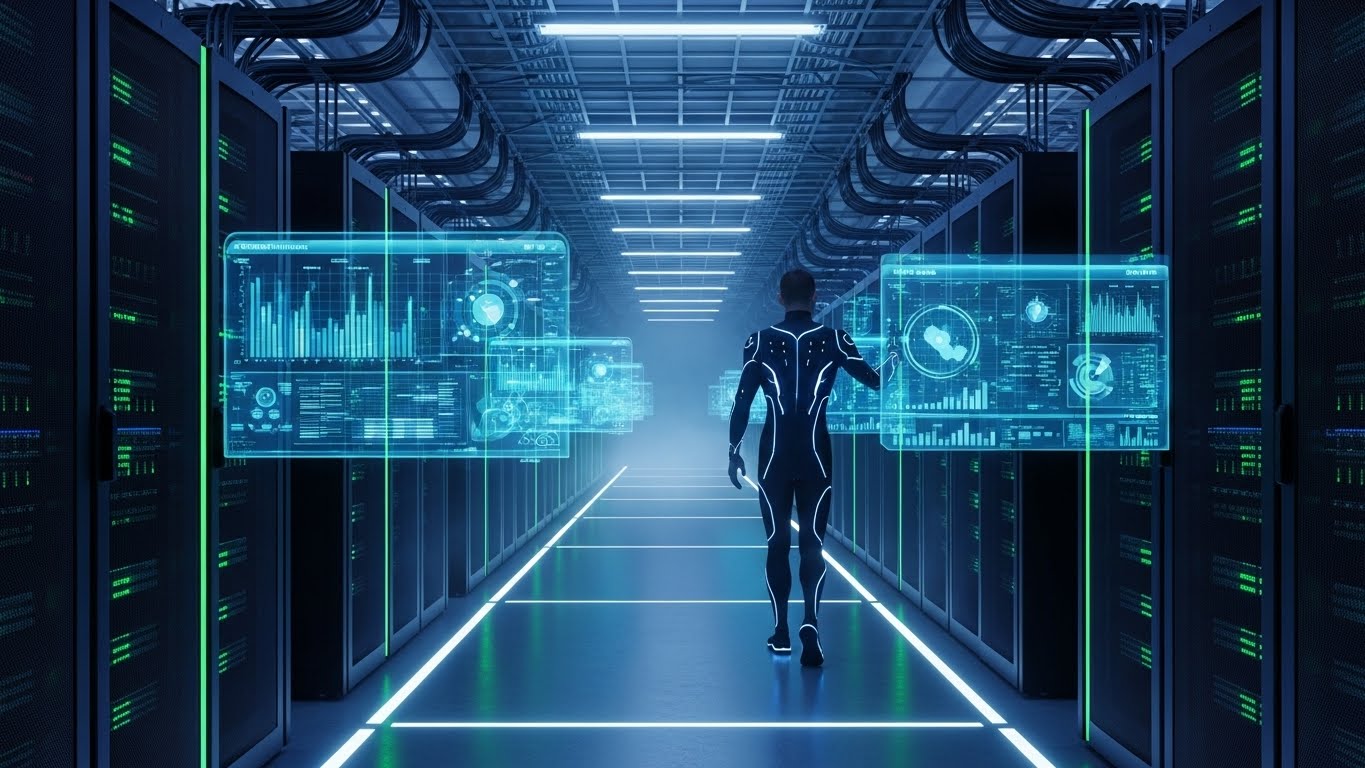

Introduction: The Technology We Do Not See but Cannot Live Without
In the modern world, technology is everywhere, but some of the most powerful advancements remain invisible to the casual observer. These silent innovations operate beneath the surface of everyday life, powering critical systems, enhancing convenience, and reshaping the way we live, work, and interact. From intelligent algorithms to seamless automation, these hidden technologies form the backbone of our rapidly evolving digital society. This blog explores the quiet yet transformative technologies shaping our future in ways more profound than the flashy gadgets we often admire.
The Rise of Invisible Computing
Invisible computing refers to technology so seamlessly integrated into our lives that we barely notice it exists. It works quietly in the background, anticipating our needs and eliminating steps we once had to perform manually. Think of how smart assistants understand our speech, how our homes adjust lighting automatically, or how predictive systems suggest what we want to see or buy.
This form of computing minimizes the need for active interaction. Instead, it relies on sensors, data analytics, and adaptive algorithms to make decisions autonomously. As a result, users experience convenience without recognizing the complex processes happening behind the scenes.
Invisible computing is not just about simplicity; it represents a paradigm shift. It moves technology away from screens and interfaces and embeds intelligence directly into the environment. Over time, this shift will fundamentally change how we perceive and rely on digital systems.
Machine Learning: The Hidden Hand Behind Modern Innovation
Machine learning has quietly become a central pillar of the digital landscape. It sits behind recommendations, fraud detection, automated translations, and even the way images are analyzed. While the average person may interact with its outcomes, the process itself remains largely hidden.
What makes machine learning transformative is its ability to improve over time. These systems learn from data rather than relying solely on manual programming. As more information becomes available, models refine their predictions, becoming more accurate and efficient.
But the hidden nature of machine learning also presents challenges. The complexity of these models often means users do not fully understand how decisions are made. As machine learning expands into critical fields such as healthcare, transportation, and finance, transparency and trustworthy design will become more important. Nevertheless, the power of machine learning remains one of the strongest forces driving silent technological progress.
Edge Computing: Power at the Source
While cloud computing has dominated discussions for years, edge computing operates quietly at the heart of many modern systems. Instead of sending data to distant servers, edge computing processes information locally, reducing latency and improving efficiency.
For example, autonomous vehicles rely on edge systems to make instant decisions. A car cannot afford a delay caused by transmitting information to the cloud when detecting obstacles or interpreting road conditions. Edge computing ensures these processes happen in milliseconds.
In smart homes and industrial automation, local processing provides security advantages as well. Sensitive data remains on the device rather than traveling through networks. This improves privacy and reduces the risk of breaches.
Although end-users seldom see edge computing directly, it enables faster services, safer systems, and smarter devices. It is one of the most significant technologies working behind the curtain of our digital world.
The Quiet Growth of Ambient Intelligence
Ambient intelligence is an evolving concept where digital environments become sensitive and responsive to human presence. These systems learn from patterns and behaviors to create personalized experiences without explicit commands.
Imagine entering a room where lights adjust to your preferred brightness, the temperature changes automatically, and your favorite playlist begins without you pressing a button. This is the essence of ambient intelligence.
Such environments use a combination of sensors, artificial intelligence, and contextual data. Over time, they adapt to individuals, creating a smooth and intuitive experience. The goal is not to overwhelm users with technology but to embed intelligence subtly into everyday surroundings.
This silent revolution marks an important step toward environments that feel naturally intelligent rather than artificially complex.
Automation: The Unseen Workforce Behind Digital Efficiency
Automation has existed for decades, but its capabilities have expanded dramatically. Today, software bots perform repetitive tasks, manage databases, and process large volumes of information faster than any human could.
In the workplace, automation handles scheduling, customer support, document sorting, and analytics. These tasks may seem simple, but their impact is enormous, saving organizations countless hours and improving accuracy.
Consumers interact with automation daily, often without noticing it. When a banking transaction clears instantly, when a question is answered within seconds, or when a package arrives ahead of schedule, automation is at work.
The future of automation will involve deeper collaboration between human workers and intelligent systems. By handling routine duties, automation allows people to focus on creativity, problem-solving, and strategic decision-making.
The Expansion of Sensor Networks
Sensors have become essential components of invisible technology. They measure motion, temperature, humidity, sound, pressure, and countless other variables. These tiny devices feed real-time data to larger systems, enabling smart responses.
In agriculture, sensors monitor soil conditions and water levels to optimize crop growth. In healthcare, wearable sensors track vital signs and alert users to irregularities. In cities, sensors manage traffic flow, reduce energy waste, and improve safety.
While users may not see these tiny devices, they play a crucial role in making systems intelligent and responsive. With continued advancements in miniaturization and energy efficiency, sensors will become even more pervasive.
Cybersecurity: The Silent Shield Protecting Digital Life
As technology grows more complex, cybersecurity becomes increasingly essential. Yet, much of this protection happens invisibly. Firewalls, encryption, intrusion detection systems, and behavioral analytics work quietly in the background to safeguard data and maintain trust.
Modern cybersecurity solutions use artificial intelligence to detect threats before they cause harm. They analyze patterns, identify anomalies, and respond autonomously. This silent shield allows individuals and organizations to operate confidently in a digital environment filled with evolving risks.
However, the rise of invisible technology also introduces new vulnerabilities. As more systems operate autonomously and share data automatically, securing them requires a proactive approach. Cybersecurity will remain a critical, though often unseen, foundation of our technological future.
Human-Centered Design: Making Technology Feel Natural
For invisible technology to succeed, it must be built around human needs. Human-centered design ensures digital systems integrate smoothly into daily life rather than adding complexity.
Designers focus on making interactions intuitive and reducing cognitive load. When technology becomes effortless to use, people stop noticing it as a separate tool. It blends seamlessly with their routines.
Whether through voice interfaces, gesture recognition, or predictive personalization, human-centered design transforms complex capabilities into simple experiences. This invisible approach enhances accessibility and ensures technology benefits as many people as possible.
The Future: From Invisible to Indispensable
As invisible technologies become more advanced, they will continue to shape society in powerful ways. Homes will become more adaptive, workplaces more efficient, and cities more intelligent. Transportation will be safer, healthcare more personalized, and communication more natural.
But with these advancements comes responsibility. Developers must consider ethics, transparency, and privacy. Users should remain aware of systems operating around them and understand how their data is used. The goal is to harness silent technologies in ways that empower individuals rather than limit their autonomy.
The future will not be defined by the devices we hold but by the intelligence woven into the world around us. Invisible technologies will evolve from being unnoticed conveniences to indispensable components of everyday life.
Conclusion: Embracing the Quiet Transformation
The most profound technological revolutions often happen quietly. While we marvel at visible innovations, it is the invisible technologies that truly redefine our experiences. Machine learning, edge computing, automation, ambient intelligence, and sensor networks form the silent architecture of a smarter world.
As we move forward, recognizing and understanding these hidden systems will be essential. They hold the power to enhance life, improve safety, streamline work, and create environments that respond to our needs effortlessly.
The silent revolution is already here. The question is not whether we will adopt these invisible technologies but how thoughtfully and responsibly we will shape their future.