
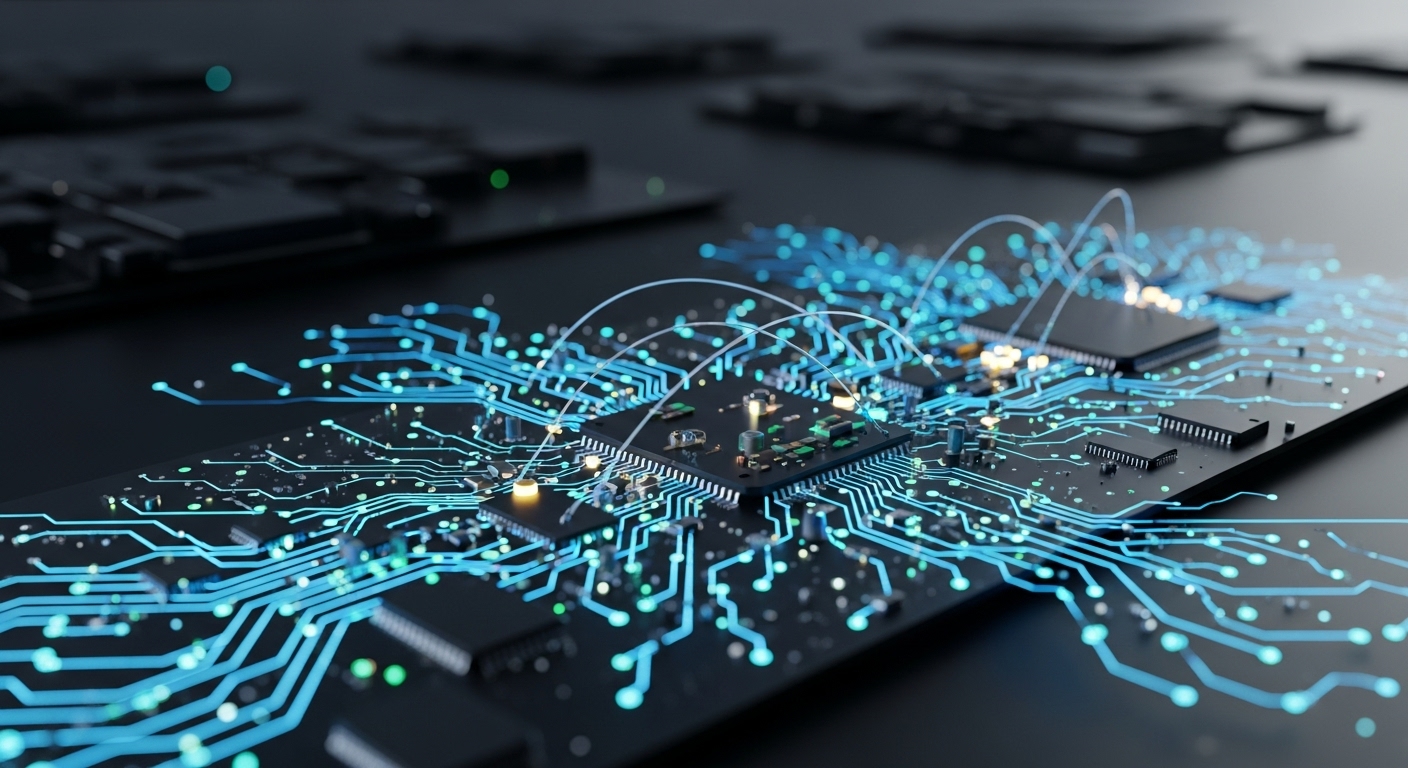
The Tech Revolution: Transforming Life in the Digital Age
Technology has become the backbone of modern civilization. It shapes the way people live, work, learn, and communicate. From smart devices to artificial intelligence, the influence of technology reaches every corner of our daily lives. What once seemed like science fiction is now a reality, and the pace of innovation continues to accelerate.
The Rise of Modern Technology
Over the past few decades, technology has evolved faster than ever before. Early computers that once filled entire rooms have been replaced by powerful smartphones that fit in the palm of your hand. The internet has connected billions of people worldwide, turning the globe into a digital community.
From communication and entertainment to business and education, technology has changed the way society functions. Every new invention brings greater convenience and efficiency, making it an essential part of human progress.
Technology in Everyday Life
Technology plays a vital role in everyday routines. Smart appliances manage household chores, wearable devices track health, and virtual assistants respond to voice commands instantly. People now rely on technology not just for work but also for comfort and entertainment.
Mobile applications simplify daily tasks such as shopping, banking, and traveling. These innovations have made life faster and more organized, proving that technology is not just a tool—it is an integral part of modern living.
The Power of Artificial Intelligence
Artificial intelligence, or AI, is at the forefront of technological advancement. It enables machines to think, learn, and make decisions, transforming industries across the world. AI powers virtual assistants, self-driving cars, medical diagnosis systems, and even creative tools that compose music or write text.
The true potential of AI lies in its ability to analyze data and solve complex problems. As it continues to evolve, AI is expected to play a major role in shaping the future of work, education, and innovation.
Technology and Communication
Communication has changed more in the past twenty years than in any previous century. Letters and landline calls have been replaced by instant messages, video calls, and social platforms. People can now connect with others anywhere in the world in real time.
Technology has turned communication into an instant, global experience. Whether for personal or professional reasons, digital tools make it possible to share information and ideas faster than ever before.
The Role of Technology in Education
Education has been deeply transformed by technology. Digital classrooms, online courses, and virtual learning platforms provide students with access to knowledge anytime and anywhere. Teachers use interactive tools to make lessons engaging and easier to understand.
Technology also allows learners to explore subjects beyond textbooks. Simulations, videos, and educational software enhance creativity and problem-solving skills. The blend of learning and technology prepares students for a future driven by innovation.
The Future of Technology
The future of technology promises endless possibilities. Innovations like quantum computing, robotics, and augmented reality will continue to redefine human life. Smart cities, sustainable energy solutions, and advanced healthcare systems are already shaping a better tomorrow.
However, with progress comes responsibility. It is important to use technology wisely, ensuring it benefits humanity without harming privacy, security, or the environment. Responsible innovation is the key to a balanced digital future.
Conclusion
Technology is more than machines and gadgets—it is the force that drives human advancement. It has changed how we live, think, and interact with the world. As it continues to grow, technology will remain the foundation of modern progress, guiding humanity toward a smarter, more connected, and sustainable future.